Há algo inegavelmente mágico em uma menina com um vestido brilhante. Seja girando em uma festa de aniversário, subindo ao palco de uma dança ou sendo daminha de honra em um casamento, o vestido certo sempre encanta. Roupas de lantejoulas para crianças pode transformar uma ocasião comum em uma lembrança que ela guardará com carinho. Mas com tantas opções deslumbrantes disponíveis, encontrar a ideal pode ser um desafio. vestido de lantejoulas perfeito Não basta apenas escolher o mais brilhante da prateleira.
Este guia aborda tudo o que importa — qualidade do tecido, caimento, adequação à ocasião, cuidados e estilo — para que você possa comprar com confiança e vestir sua filha com algo que a faça se sentir verdadeiramente linda.
O que torna um vestido de lantejoulas especial?
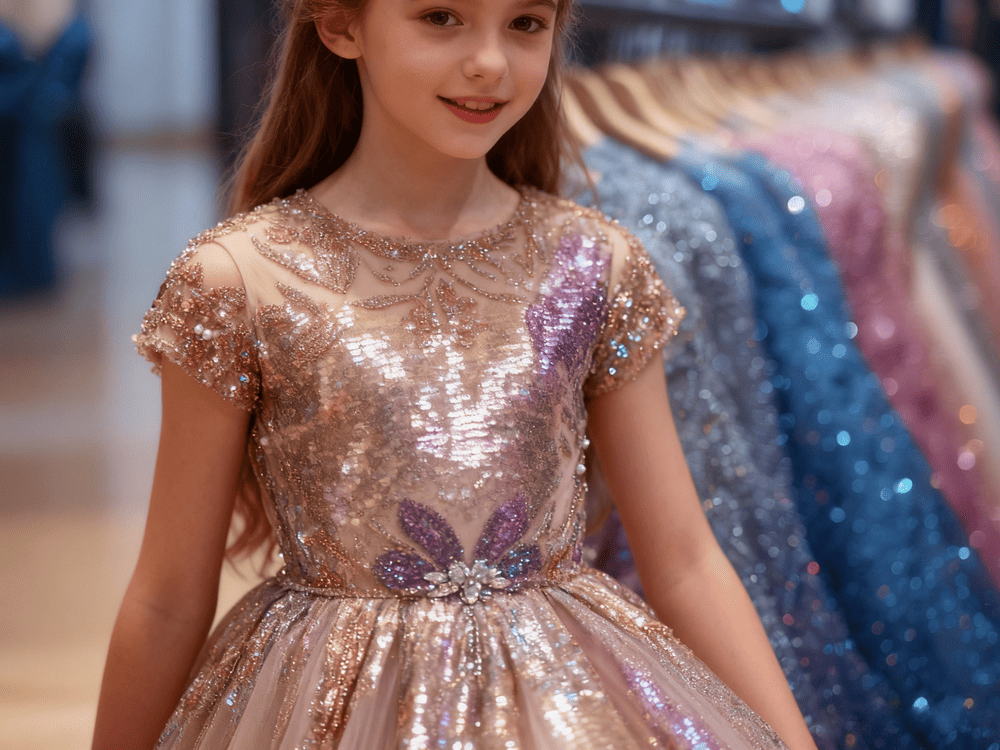
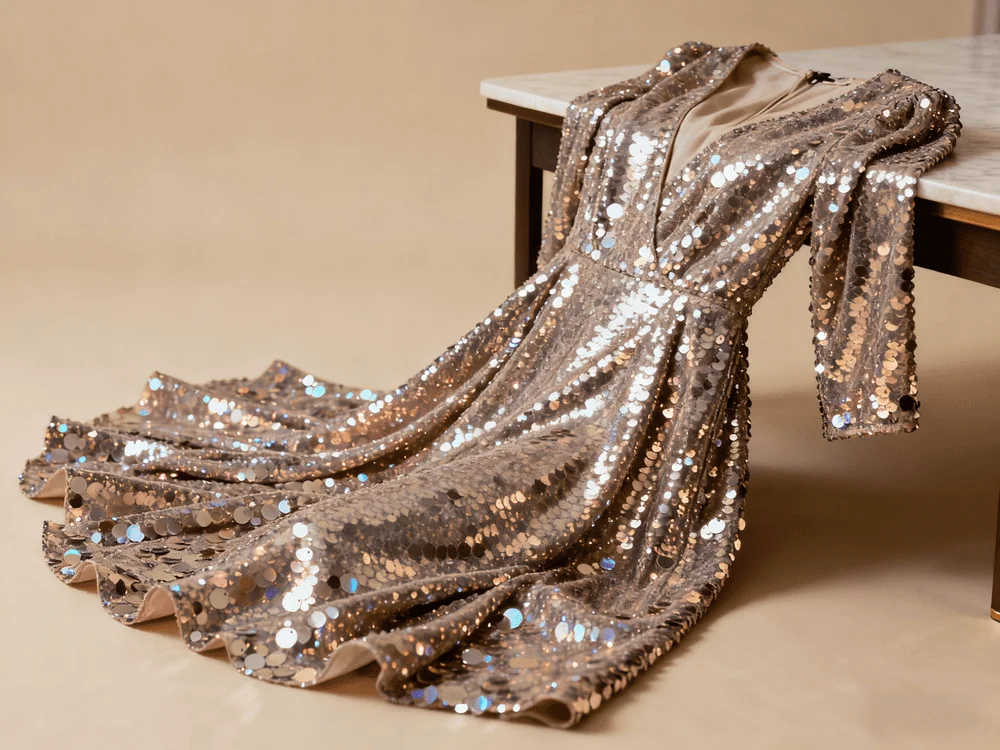
Um vestido de lantejoulas é confeccionado a partir de um tecido base no qual pequenos discos refletores — feitos de filme plástico ou metálico — são costurados ou termocolados. O resultado é uma peça que capta e dispersa a luz a cada movimento, criando aquele brilho característico, sinônimo de celebração.
A história de O uso de lantejoulas remonta ao antigo Egito., onde adornos metálicos eram usados em vestimentas cerimoniais. Hoje, os avanços em materiais e fabricação tornaram moda de lantejoulas Mais acessível, versátil e fácil de usar do que nunca. Com cobertura total. vestidos brilhantes Desde silhuetas com detalhes sutis, o espectro é vasto — e é exatamente por isso que uma escolha criteriosa é importante.
Se você também está explorando a possibilidade de usar peças separadas, confira nosso guia sobre Se as saias de lantejoulas ainda estão na moda. Vale a pena ler antes de ir às compras.
Tecido e segurança: os pontos inegociáveis
Antes de se falar em estilo, o conforto e a segurança devem vir em primeiro lugar — especialmente para as crianças, cuja pele é muito mais sensível do que a de um adulto.
Verifique a qualidade dos paetês.
Nem todas as lantejoulas são iguais. Lantejoulas baratas de plástico ou metal podem ter bordas afiadas que arranham a pele delicada ao contato. Além do desconforto, lantejoulas de baixa qualidade se soltam facilmente, representando um risco real de asfixia para meninas mais novas. Sempre verifique a procedência das lantejoulas. Roupas de lantejoulas para crianças De marcas ou fabricantes conceituados que utilizam enfeites lisos e firmemente fixados.
Uma rápida “teste de tração” Na loja (ou ao inspecionar um pedido online assim que ele chegar), você percebe muita coisa: puxe delicadamente algumas lantejoulas. Se elas se soltarem com facilidade, o vestido não vai durar — ou, mais importante, não será seguro.
Priorize um forro respirável.
A qualidade da confecção garante que a superfície de lantejoulas nunca fique em contato direto com a pele. Procure por um forro feito de material natural ou semissintético. Tecido modal, Por exemplo, o forro de camurça é uma excelente opção — é macio, respirável e suave o suficiente para peles sensíveis. Um forro de algodão também funciona bem. Seja qual for o material, o forro deve ser macio ao toque e permitir a circulação de ar.
Leia as avaliações
Opiniões de pais são ouro puro. Elas contam se as lantejoulas soltaram depois de um único uso, se o forro coça ou se o vestido resistiu a uma tarde agitada. Nenhum texto de marketing é mais honesto do que o depoimento de uma cliente que usou o vestido na filha em uma festa de fim de ano.
Para uma análise mais aprofundada dos materiais, consulte nossa visão geral de tecido com lantejoulas Aborda tipos de construção, composições de fibras e o que procurar em uma peça de qualidade.
Escolhendo a opção certa
As meninas se movimentam — constantemente e com entusiasmo. Mesmo nos eventos mais formais, espere vê-las correndo, pulando, girando e sentando no chão. Um vestido de lantejoulas perfeito é aquele que fica lindo. e Ela se move com ela.
Os problemas com o tamanho errado
- Muito apertado: Restringe a respiração, causa atrito com a pele e limita os movimentos. Um vestido muito apertado pode deixar a criança visivelmente desconfortável, transformando uma ocasião especial em um verdadeiro tormento.
- Muito solto: As alças escorregam, a cintura fica caída e a silhueta perde a forma. Há também uma preocupação prática com a segurança: bainhas largas demais podem causar tropeços e quedas.
Como obter o ajuste perfeito
Meça com precisão. Use as medidas reais de altura, tórax e cintura da criança, em vez de se basear na idade como guia. Os tamanhos variam bastante entre as marcas.
Deixe um pouco de espaço. Deixe espaço para uma camada base por baixo (especialmente em climas mais frios) e para um crescimento moderado. Geralmente, comprar um tamanho acima do que ela costuma usar é uma boa opção — mas não dois tamanhos acima.
Faça um teste de movimento. Se ela puder experimentar o vestido, peça-lhe que levante os braços acima da cabeça, sente-se e dê uma volta completa. O vestido deve permitir todos os três movimentos sem amontoar, repuxar ou escorregar. De acordo com Diretrizes de ajuste de roupas infantis da Academia Americana de Pediatria, Roupas que restringem os movimentos ou têm enfeites soltos representam riscos reais à segurança de crianças ativas.
Combinando o vestido com a ocasião
Um dos erros mais comuns em moda de lantejoulas A escolha do look ideal pode ser inadequada para a ocasião, seja ele exagerado ou insuficiente. Um vestido de baile todo bordado com lantejoulas em uma festa de aniversário informal no quintal de casa pode parecer deslocado; já um vestido com detalhes discretos em uma apresentação de recital pode não se destacar bem sob a iluminação do palco. Adequar o nível de brilho à ocasião garante que sua filha esteja sempre impecável, sem parecer exagerada ou desleixada.
Festas informais e encontros do dia a dia
Para festas de aniversário, encontros familiares e comemorações informais, uma abordagem mais discreta funciona melhor. Vestidos elegantes e brilhantes Detalhes com lantejoulas na barra, no decote ou nas mangas — em vez de cobertura total — acertam em cheio. Silhuetas em A e princesa em tons pastel suaves ou neutros quentes são as favoritas do público nesta categoria.
Casamentos e cerimônias formais
Nessas ocasiões, uma cobertura completa é necessária. vestido brilhante Merece o seu momento. Champanhe, rosa claro, prata e vermelho profundo são escolhas de cores eternamente elegantes. Procure vestidos que equilibrem a cobertura de lantejoulas com uma construção graciosa — bordados delicados, sobreposições sutis ou detalhes sutis em tule adicionam requinte sem cair no exagero.
Apresentações no palco e competições de dança
Sob a iluminação do palco, mais é mais. Escolha cores de alto contraste — verde-esmeralda profundo, azul-real, dourado vibrante — e tecidos com máxima refletividade. Vestidos com franjas e lantejoulas são particularmente eficazes para a dança, pois as franjas amplificam cada movimento, criando um efeito visual dinâmico à distância. E tão importante quanto: certifique-se de que o corte permita total liberdade de movimentos antes do dia da apresentação.
Estilos de vestidos de lantejoulas em resumo
| Estilo | Principais características | Melhor Para |
|---|---|---|
| Linha A | Cai suavemente dos ombros; favorece todos os tipos de corpo. | Festas informais, eventos familiares, roupa para o dia a dia |
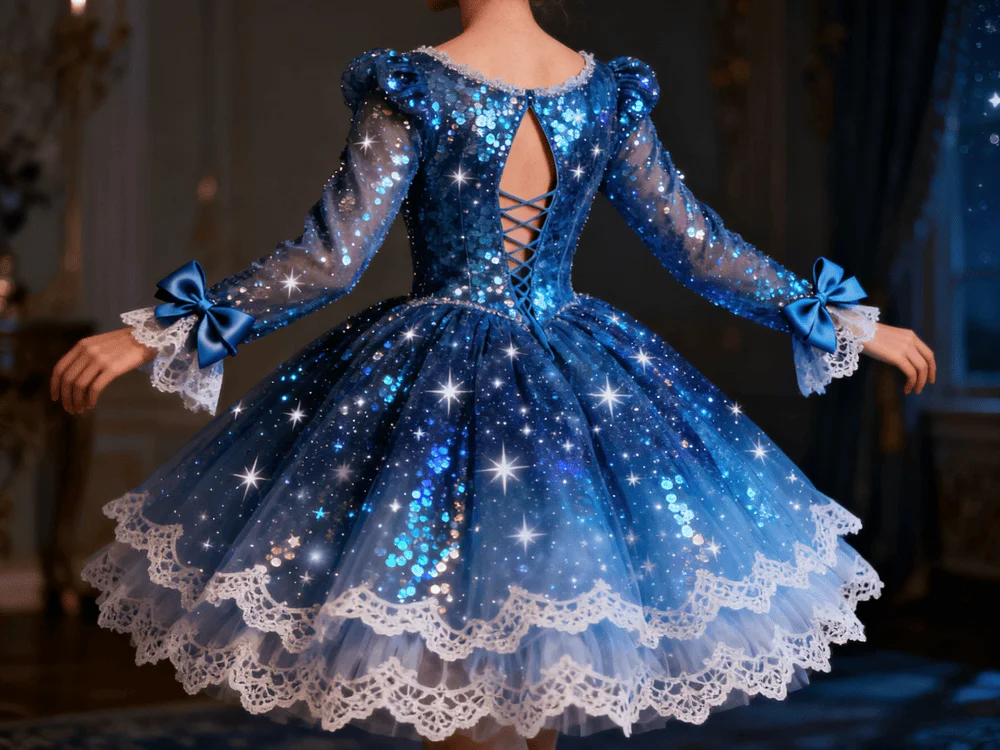
| Vestido de baile | Corpete ajustado, saia de tule volumosa, cobertura abundante de lantejoulas | Casamentos, aniversários, festas de fim de ano |
| Franjas com lantejoulas | Lantejoulas transformadas em franjas ondulantes na bainha ou por toda a peça. | Competições de dança, shows de talentos, apresentações |
| Patchwork de veludo e lantejoulas | Base de veludo luxuoso com detalhes em lantejoulas. | Ocasiões formais de inverno, cerimônias |
Ao avaliar os estilos, considere também detalhes decorativos como mangas bufantes, faixas de cetim ou acabamentos em renda. Esses toques finais elevam o visual geral e adicionam camadas visuais além dos próprios paetês, tornando-o mais sofisticado. vestidos elegantes e brilhantes Transmite uma sensação de coesão e intencionalidade, em vez de ser apenas chamativa por ser chamativa.
Cor e personalidade
A cor faz mais do que definir o ambiente — ela também interage com o tom de pele da criança e com a iluminação do local. Aqui estão alguns princípios que vale a pena ter em mente:
- Tons de pele claros/claros Geralmente, apresentam um aspecto luminoso em tons de joias como safira, rubi e esmeralda, assim como em tons rosados e marfim.
- Tons de pele médios/oliva Brilham em tons quentes de dourado, laranja queimado, bordô profundo e verde intenso.
- Tons de pele escuros/profundas São lindamente complementadas por contrastes vibrantes — azul cobalto, fúcsia e tons metálicos ousados de prata ou ouro.
Para apresentações ou eventos competitivos, cores saturadas têm melhor projeção sob iluminação artificial do que tons pastel, que podem parecer desbotados à distância.
Como cuidar de um vestido de lantejoulas
Uma escolha bem-feita vestido de lantejoulas perfeito É um investimento, e os cuidados adequados prolongam significativamente sua vida útil.
Lavar sempre à mão. A lavagem na máquina agita o tecido de maneiras que podem soltar as lantejoulas e danificar o material base. Use água fria e um detergente suave, manuseando o vestido com cuidado durante todo o processo.
Deixe secar na horizontal. Pendurar um vestido de lantejoulas molhado estica o tecido sob o peso dos enfeites. Use uma toalha limpa para absorver o excesso de umidade e, em seguida, estenda o vestido sobre um varal de tela.
Armazenar separadamente. Amassadas e compactadas contra outras peças de roupa, as lantejoulas podem enroscar, soltar e arranhar. Guarde o vestido em uma capa de tecido respirável ou em uma prateleira separada.
Repare imediatamente as lantejoulas soltas. Uma única lantejoula solta pode causar um efeito cascata. Mantenha uma agulha e linha da mesma cor à mão e costure novamente qualquer lantejoula que se soltar antes de usar novamente.
Use o ferro com cuidado — ou não use de jeito nenhum. O calor derrete as lantejoulas de plástico. Se as rugas forem um problema, passe a ferro apenas o forro pelo lado avesso com o vestido do avesso, ou pendure-o em um banheiro com vapor para que o tecido relaxe naturalmente.
Por que a moda com lantejoulas perdura?
A capacidade de permanência de lantejoulas em um vestido Não é por acaso. Além da estética, os paetês tocam em algo profundamente humano: o desejo de ser visto, celebrado e de marcar momentos especiais com algo memorável.
Os avanços modernos só ampliaram seu apelo. Hoje, as lantejoulas vêm em acabamentos foscos, holográficos e degradê, e em formatos que variam de círculos clássicos a estrelas, gotas e designs oversized em formato de "escama de peixe". Os estilistas estão cada vez mais integrando elementos de lantejoulas em silhuetas casuais do dia a dia — combinando uma saia de lantejoulas com um tricô oversized ou adicionando detalhes de lantejoulas a um vestido reto casual — tornando-as ainda mais versáteis e sofisticadas. moda de lantejoulas genuinamente versátil, em vez de exclusivamente formal.
Como observado recentemente por Editores de moda da Vogue, As lantejoulas deixaram de ser exclusivas para a noite e passaram a ser usadas também durante o dia, com um estilo baseado no contraste: o brilho das lantejoulas equilibrado com a suavidade dos tecidos naturais e silhuetas descontraídas.
Dicas de estilo: O que usar com um vestido de lantejoulas
A vestido de lantejoulas perfeito já está transmitindo uma mensagem. O elenco de apoio — sapatos, acessórios, cabelo — deve complementar, e não competir.
- Para ocasiões formais: Combine com sapatos Mary Jane de salto alto ou sapatilhas elegantes, uma carteira estruturada ou uma bolsa pequena, e um penteado simples, como um coque baixo ou um penteado meio preso impecável.
- Para ambientes informais: Jaquetas jeans ou cardigãs leves suavizam o brilho de forma elegante. Tênis brancos ou sapatilhas completam o look sem sobrecarregá-lo.
- Cabelo: Quando o look é o destaque, deixe o cabelo em segundo plano. Um rabo de cavalo alto, tranças suaves ou ondas soltas são opções que equilibram o visual sem esforço.
As joias, se houver, devem ser mínimas. Deixe que o vestido seja o ponto focal.
Encontrando um parceiro de fabricação confiável
Para marcas de vestuário infantil que buscam fornecedores. Roupas de lantejoulas para crianças Em larga escala, a qualidade de fabricação é tudo. HAPA é um especialista fabricante de vestidos para meninas Com experiência comprovada na produção de coleções de lantejoulas para marcas globais, seu processo — do design e criação de amostras à entrega final — é concebido como um serviço completo e integrado, com pedido mínimo de 100 peças e prazo de entrega de 20 a 30 dias (com opções de entrega expressa disponíveis para pedidos urgentes).
O que distingue a fabricação de qualidade nesta categoria é a complexidade técnica envolvida. Produzir um vestido de lantejoulas perfeito A produção em larga escala exige técnicas especializadas para as quais as fábricas de vestuário padrão não estão equipadas:
- Costura de posicionamento em quatro pontos Para lantejoulas maiores ou com formato irregular, distribua a tensão uniformemente por toda a aplicação.
- Fio de núcleo fiado de alta resistência (poliéster ou náilon reforçado) para maior durabilidade à lavagem e resistência à abrasão.
- Nó triplo e costura de reforço densa nos pontos de tensão para evitar que as pontas da rosca se soltem.
- Forro respirável reforçado em áreas de lantejoulas de alta densidade para aumentar a superfície de contato e a resistência à tração.
A HAPA também opera com um compromisso de sustentabilidade, utilizando lantejoulas feitas de filme plástico renovável projetado para se decompor naturalmente ao final de sua vida útil, reduzindo o impacto ambiental. moda de lantejoulas sem comprometer o brilho ou a durabilidade.
Perguntas Frequentes
As lantejoulas ainda estarão na moda em 2026?
Com certeza. Vestidos e conjuntos de paetês continuam sendo uma grande tendência na moda de 2026, tendo evoluído muito além da reputação de serem exclusivos para ocasiões especiais. A tendência atual favorece a combinação de peças com paetês com itens básicos do dia a dia — jeans, tricôs oversized, tênis minimalistas — para um efeito moderno e equilibrado que funciona em uma gama muito maior de ocasiões.
Quando você deve evitar usar lantejoulas?
Paetês geralmente são inadequados para eventos solenes ou conservadores: funerais, comparecimentos em tribunais e entrevistas de emprego. Em casamentos, um look todo em paetês é mais apropriado para trajes de gala — caso contrário, a intensidade pode ser interpretada como uma tentativa de ofuscar o casal.
Vestidos de lantejoulas favorecem todos os tipos de corpo?
Sim, com uma seleção criteriosa. O brilho das lantejoulas adiciona textura e dimensão visual, o que pode criar a percepção de volume. Para minimizar esse efeito, procure lantejoulas com acabamento fosco, cores mais escuras ou padrões verticais.
Que tipo de corpo fica bem com um vestido de lantejoulas?
As lantejoulas favorecem todos os tipos de corpo quando cortadas estrategicamente: silhuetas ampulheta brilham em modelos justos, silhuetas pera ganham equilíbrio em estilos em A, e decotes em V alongam a silhueta. O segredo é posicionar o brilho onde você deseja atrair o olhar.
Como usar lantejoulas sem parecer brega?
Combine uma peça única com lantejoulas com básicos neutros e foscos e acessórios minimalistas. Prefira cortes modernos e descontraídos a peças justas e use lantejoulas durante o dia com sapatos baixos ou um suéter folgado para um visual menos formal.
Como combinar lantejoulas?
Use lantejoulas como destaque — combine-as com peças lisas em preto, branco ou azul-marinho, ou adicione jeans para um contraste casual. Para sobreposições luxuosas, combine tons sobre tons com texturas foscas como seda, cashmere ou lã.