Centre mondial d'approvisionnement en vêtements
Fabricants de vêtements pour enfants par pays
Trouvez des guides de fabricants spécifiques à chaque pays, comparez les destinations d'approvisionnement et affinez votre liste de fournisseurs en fonction de leurs points forts en matière de production, du volume de vos commandes, de votre modèle de personnalisation et de l'adéquation à vos besoins.
—— Parcourir le répertoire
Trouvez des fabricants de vêtements pour enfants dans le pays cible.
Chaque guide présente le profil des fournisseurs pertinents et explique à quoi la destination d'approvisionnement est réellement adaptée, et non pas seulement qui figure dans une liste des “ 10 meilleurs ”.
CN
Chine
Explorez les usines de vêtements pour enfants offrant un large accès aux tissus, des finitions intégrées, le développement d'échantillons et un soutien OEM/ODM flexible.
Idéal pour
Vêtements pour enfants personnalisés, catégories variées et confection complexe
Adapté à l'acheteur
Des startups aux marques mondiales établies
NOUS
États-Unis
Comparez les fabricants nationaux qui fournissent des marques de vêtements pour enfants privilégiant la proximité, la communication et le positionnement « Fabriqué aux États-Unis ».
Idéal pour
Production locale, basiques haut de gamme et circuits de contrôle plus courts
Adapté à l'acheteur
Marques avec une tolérance au coût plus élevée et des objectifs de marque nationale
Californie
Canada
Passez en revue les partenaires canadiens du secteur de l'habillement reconnus pour leur production transparente, leurs tricots haut de gamme et leur soutien à la fabrication de marques privées.
Idéal pour
Positionnement éthique, polaire de qualité supérieure et programmes de fabrication locale
Adapté à l'acheteur
Marques canadiennes, boutiques et labels axés sur la qualité
GB
Royaume-Uni
Découvrez les fabricants britanniques proposant un développement en petites séries, une production éthique et un accompagnement personnalisé pour les marques de vêtements émergentes.
Idéal pour
Développement à faible volume, collaboration locale et niches haut de gamme
Adapté à l'acheteur
Start-ups et marques britanniques recherchant une communication étroite avec leurs fournisseurs
AU
Australie
Sélectionnez les fabricants australiens de vêtements pour enfants, les partenaires CMT et les studios de développement de produits pour une production locale et artisanale.
Idéal pour
Développement de marques locales, laine mérinos et petites séries de production
Adapté à l'acheteur
Start-ups australiennes, créateurs et boutiques haut de gamme
DANS
Inde
Trouvez des usines de vêtements pour enfants spécialisées dans le tricot de coton, le travail artisanal, la broderie, les marques privées de boutiques et la production de vêtements à plus grande échelle.
Idéal pour
Coton, détails artisanaux, broderie et tricots
Adapté à l'acheteur
Marques de niche distribuées par des détaillants à plus fort volume
VN
Vietnam
Comparez les fabricants vietnamiens établis dans les secteurs de la maille, des vêtements techniques, des uniformes, des vêtements de sport et des programmes d'exportation évolutifs.
Idéal pour
Vêtements de performance, produits techniques et tailles moyennes à grandes
Adapté à l'acheteur
Marques en pleine croissance et programmes de vente en gros établis
BD
Bangladesh
Étudiez les grands groupes de vêtements et les usines verticalement intégrées pour les basiques en maille, le denim et les programmes de vente au détail axés sur le volume.
Idéal pour
Production en grande série de basiques, de denim et production verticalement intégrée
Adapté à l'acheteur
Marques établies avec un volume de commandes prévisible
BR
Brésil
Explorez les entreprises brésiliennes de vêtements pour enfants, notamment les vêtements pour bébés, les tricots en coton, les marques privées et la production nationale à grande échelle.
Idéal pour
Vêtements pour enfants en coton, produits pour bébés et approvisionnement en Amérique latine
Adapté à l'acheteur
détaillants régionaux, marques de niche et diversification de l'offre
Comparaison des destinations
Comparaison rapide des régions manufacturières
Utilisez ceci comme outil de présélection. La quantité minimale de commande, le prix et le délai de livraison réels dépendent de l'usine, de la conception du produit, du tissu, des couleurs et des exigences de test.
| Pays | Force commune | Ordre typique | Personnalisation | Coût relatif | Que vérifier |
|---|---|---|---|---|---|
| Chine | Fourniture complète de vêtements pour enfants (OEM/ODM), finitions et vêtements complexes. | Des petits essais aux grands programmes | Très haut | milieu de gamme | Identité de l'usine, étendue des tests et spécifications des matériaux |
| Vietnam | Vêtements techniques, tricots et production d'exportation à grande échelle | Moyen à grand | Haut | milieu de gamme | Adéquation à la catégorie, fenêtre de capacité et délai d'approvisionnement des matériaux importés |
| Bangladesh | Volumes de base, denim et intégration verticale | Grand | Modéré | Inférieur à l'échelle | Quantité minimale de commande (MOQ), statut d'audit et unité de production mentionnée dans le contrat |
| Inde | Coton, broderie, travail manuel et différentes finitions d'usine | Du petit au grand | Haut | Variable | Expérience à l'exportation, maîtrise des processus et cohérence des échantillons |
| États-Unis / Canada | Proximité, positionnement national et communication plus rapide | De petite à moyenne taille | Haut | Plus haut | Qu'est-ce qui est réellement fabriqué localement par rapport à ce qui est sous-traité ? |
| Royaume-Uni / Australie | Studios de développement australiens, entreprises de niche et collaboration locale | De petite à moyenne taille | Haut | Plus haut | Frais d'échantillonnage, portée et capacité de production du CMT |
| Brésil | Tricots en coton, articles pour bébés et approvisionnement régional | Du petit au grand | Modéré à élevé | Variable | Préparation à l'exportation, conditions commerciales et certifications régionales |
Comparaison des destinations
Comparaison rapide des régions manufacturières
Utilisez ceci comme outil de présélection. La quantité minimale de commande, le prix et le délai de livraison réels dépendent de l'usine, de la conception du produit, du tissu, des couleurs et des exigences de test.
— Établir une liste restreinte défendable
Évaluez les preuves, pas les promesses.
Utilisez le même cahier des charges, les mêmes questions et les mêmes critères d'évaluation pour chaque candidat. Cela facilite la comparaison des devis et permet de déceler les lacunes avant la phase d'échantillonnage ou de production en série.
Adaptation du produit et des aspects techniques
Systèmes d'échantillonnage et de qualité
Conformité et traçabilité
Capacité, conditions et livraison
Qualité de la communication
01
Confirmer l'expérience produit pertinente
Choisissez un fabricant qui produit régulièrement votre catégorie de vêtements, et non un fabricant qui se contente d'affirmer qu'il peut le faire. Les vêtements pour enfants, les vêtements pour bébés, les vêtements d'extérieur et les vêtements ornés requièrent chacun des méthodes de fabrication et des équipements différents.
Vérifier
Profondeur du portefeuille, constructions similaires et réponses techniques spécifiques à la catégorie.
Demande
Échantillons récents, photos de production ou exemples anonymisés issus de projets comparables.
02
Faites correspondre la quantité minimale de commande et la capacité à votre commande.
Une grande usine pourrait reléguer au second plan un lancement de petite envergure, tandis qu'un petit atelier pourrait avoir du mal à gérer un volume de production régulier. Confirmez les quantités minimales par style, couleur, tissu et proportion de tailles — et non pas seulement une quantité minimale de commande unique.
Vérifier
Gamme de commandes habituelle, lignes disponibles, capacité en haute saison et planification des commandes répétées.
Demande
Une estimation réaliste des capacités et des délais de livraison pour votre quantité exacte.
03
Évaluer le soutien à l'échantillonnage et au développement
Un accompagnement solide au développement permet de réduire les corrections coûteuses ultérieures. Examinez comment le fournisseur gère les dossiers techniques, les patrons, l'approvisionnement en tissus, les gammes de tailles, les modifications et l'approbation avant production.
Vérifier
Étapes de l'échantillon, limites de révision, flux d'approbation et propriétaire des fichiers de modèles.
Demande
Un exemple de plan écrit comprenant les coûts, le calendrier, les livrables et les points de contrôle d'approbation.
04
Vérifier le système de contrôle de la qualité
La qualité doit être contrôlée par des étapes documentées, et non par un simple coup d'œil final. Demandez comment les matériaux, les dimensions, la qualité de la fabrication, l'étiquetage, l'emballage et les défauts sont vérifiés tout au long de la production.
Vérifier
Inspection à réception, contrôle qualité en ligne, inspection finale, contrôle des tolérances et gestion des défauts.
Demande
Un exemple de rapport d'inspection, une liste de contrôle qualité et une explication des procédures de mesures correctives.
05
Vérifier la conformité et l'identité de l'usine
Vérifiez l'entité juridique, le lieu de production réel et la pertinence de chaque certificat. Une société commerciale, un sous-traitant et une usine de production engendrent des risques différents en matière de responsabilité et de conformité.
Vérifier
Identité de l'entreprise, adresse des installations, périmètre de l'audit, validité du certificat et responsabilités en matière de tests.
Demande
Documents actuels faisant état du même nom de société et du même site de production que ceux mentionnés dans le contrat.
06
Évaluer la transparence de la communication et des affaires
Un fournisseur fiable repère les risques rapidement. Comparez la qualité de sa réponse, sa compréhension technique, le détail de son devis, les exclusions, les conditions de paiement et sa volonté de documenter ses décisions.
Vérifier
Responsabilité clairement définie, cohérence des réponses, voies d'escalade et traitement honnête des limitations.
Demande
Un devis détaillé indiquant les matériaux, l'emballage, les tests, l'Incoterm et les exclusions.
Choisissez le bon modèle de fabrication de vêtements pour enfants en Chine
Les besoins des différents acheteurs varient selon les processus de production. HAPA accompagne les marques disposant déjà de dossiers techniques complets, les startups ayant besoin d'aide au développement produit et les vendeurs recherchant des emballages de marque privée pour la vente au détail ou le e-commerce.
01
Lancement d'une nouvelle marque
Privilégiez un échantillonnage transparent, des structures de quantité minimale de commande (MOQ) réalistes et un soutien technique, et non pas seulement le prix unitaire le plus bas.
Explorez la Chine, l'Inde, le Royaume-Uni et l'Australie
02
Développement à grande échelle des best-sellers éprouvés
Recherchez la planification des capacités, la régularité des commandes, le contrôle des matériaux et les systèmes de production documentés.
Explorez la Chine, le Vietnam et le Bangladesh
03
Production de vêtements pour enfants complexes
Vérifiez la présence de machines spécialisées, de finitions soignées, d'une construction adaptée à l'âge et d'une expérience en matière d'ornementation ou de vêtements d'extérieur.
Explorez la Chine et l'Inde
04
Construire une histoire locale
Identifiez les étapes de production réalisées localement et intégrez le coût de main-d'œuvre plus élevé dans votre positionnement commercial.
Explorez la Chine, le Canada, le Royaume-Uni et l'Australie
— Où HAPA trouve sa place
Une option basée en Chine pour les vêtements personnalisés pour enfants
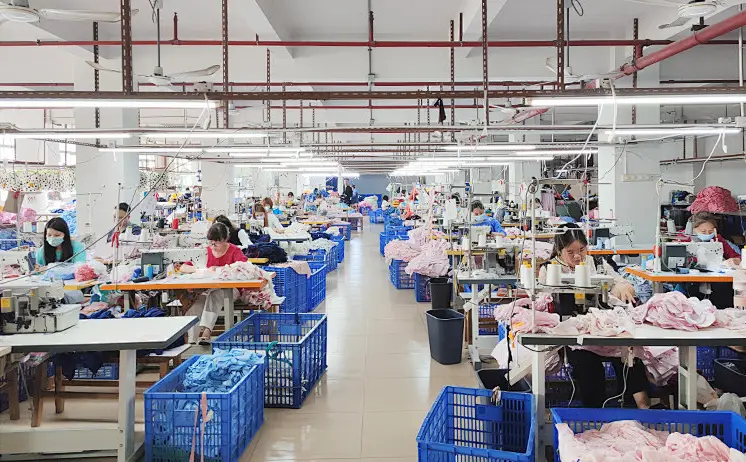
HAPA est un fabricant de vêtements pour enfants basé à Guangzhou, qui prend en charge les projets OEM, ODM et de marque privée, de l'étude des produits et de l'échantillonnage à la production en série, au contrôle qualité et à la préparation à l'exportation.
16 ans et plus
HAPA a déclaré avoir une expérience de fabrication de vêtements pour enfants.
6 000 m²
OEM / ODM
Développement personnalisé et assistance en marque blanche
Contrôle qualité multi-étapes
Ajustement, qualité de fabrication, étiquettes, emballage et vérifications finales
Plus de guides pour trouver le bon fabricant de vêtements
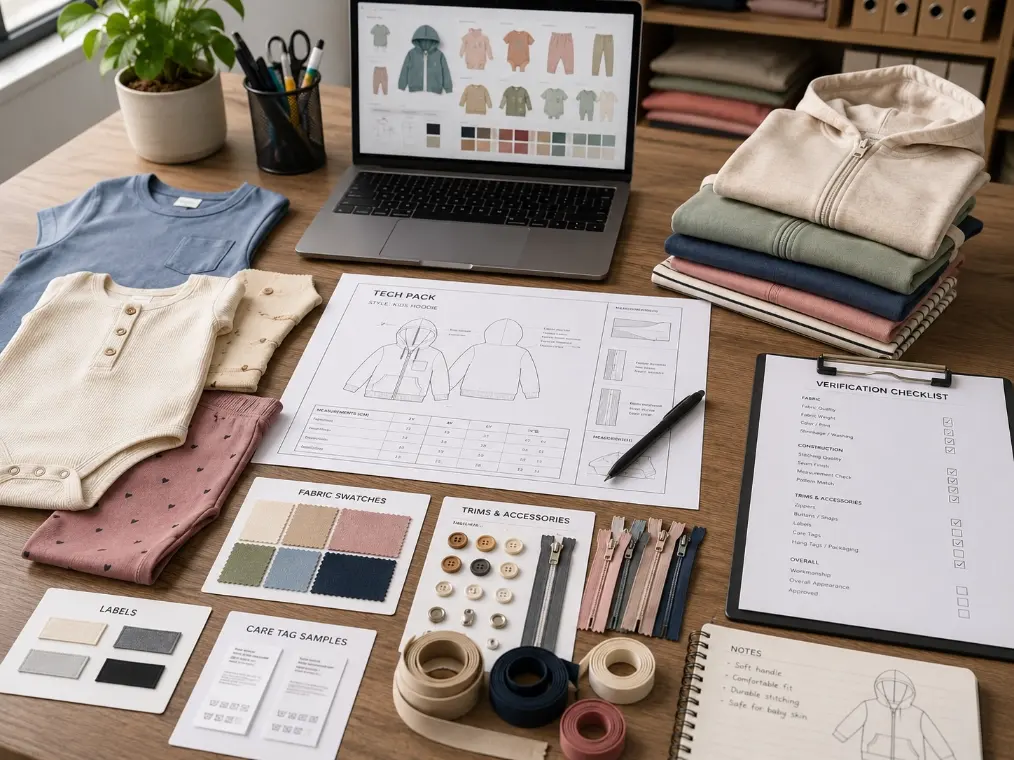
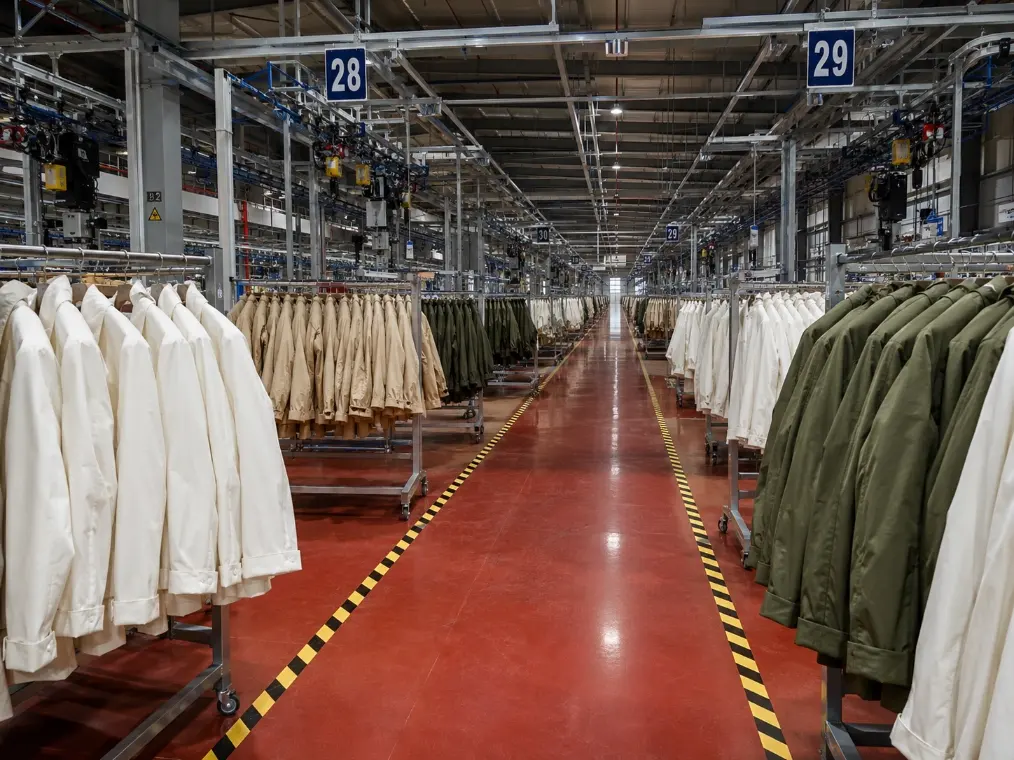
Découvrez des guides pratiques d'approvisionnement sur la comparaison des sites de production, l'évaluation des fournisseurs OEM et ODM, la vérification des capacités des usines, la compréhension des quantités minimales de commande et la préparation à l'échantillonnage et à la production en série.
FAQ sur l'approvisionnement des fabricants de vêtements internationaux
Quel est le meilleur pays pour la fabrication de vêtements ?
Il n'existe pas de pays idéal pour tous. La Chine est souvent adaptée au développement OEM/ODM flexible et à la personnalisation complexe ; le Bangladesh et le Vietnam conviennent généralement aux programmes de production en volume établis ; les marchés locaux comme les États-Unis, le Royaume-Uni, le Canada et l'Australie peuvent convenir aux acheteurs privilégiant la proximité et la communication. Le choix optimal dépend de la catégorie de produits, du volume de la commande, des exigences de conformité et du coût total.
Comment comparer les fabricants de différents pays ?
Envoyez la même demande de devis et le même dossier technique à des fournisseurs vérifiés, puis comparez les spécifications des matériaux, la qualité des échantillons, les quantités minimales de commande, les responsabilités en matière de tests, les délais de livraison, les exclusions, les conditions de paiement et le coût total. Le prix unitaire seul ne permet généralement pas d'identifier le fournisseur le moins risqué.
Les entreprises mentionnées dans ces guides sont-elles des usines certifiées ?
Ces guides privilégient les entreprises dont l'identité, les services et les allégations de fabrication peuvent être vérifiés publiquement. Il est toutefois conseillé aux acheteurs de mener leurs propres vérifications, de demander les certifications en vigueur, d'examiner des échantillons et de s'assurer de la fiabilité de l'entité contractante avant de passer commande.
Les marques émergentes peuvent-elles faire appel à des fabricants de vêtements étrangers ?
Oui, mais privilégiez les fournisseurs qui acceptent clairement les petits programmes de développement, communiquent les coûts d'échantillonnage et proposent des quantités minimales réalistes. Confirmez les quantités minimales par modèle, couleur, tissu et ratio de tailles plutôt que de vous fier à une seule quantité minimale annoncée.
À quelle fréquence les listes de fabricants par pays doivent-elles être mises à jour ?
Examinez les liens importants et le statut de l'entreprise au moins tous les six à douze mois, et plus tôt encore en cas de fermeture d'une usine, de changement de propriétaire, de suppression d'un service ou d'une certification, ou lorsqu'un guide commence à recevoir un trafic de recherche important.