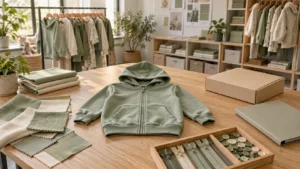
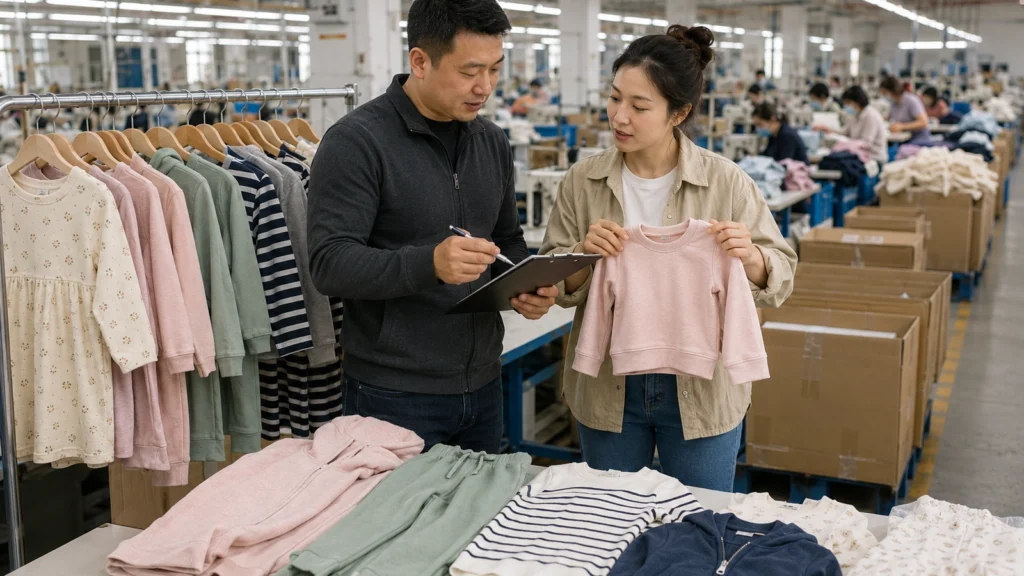
مدير الإنتاج والمشتري يراجعان طلبية متكررة لملابس الأطفال في مصنع صيني.
مدة تنفيذ طلبات إعادة شراء ملابس الأطفال الصينية يصبح هذا السؤال عمليًا للغاية بمجرد أن يبدأ أحد تصاميم ملابس الأطفال لديكِ في البيع بوتيرة أسرع من المتوقع. في الطلبية الأولى، قد تكونين على استعداد لقضاء أسابيع في تحسين العينة، وتأكيد الألوان، والموافقة على الملصقات، والعمل على التغليف. أما في الطلبية المتكررة، فتتغير طريقة تفكيركِ: فأنتِ تعلمين بالفعل أن المنتج ناجح، والآن تحتاجين إلى مخزون قبل أن يتلاشى زخم المبيعات.
بحسب خبرتي في مجال إنتاج ملابس الأطفال، فإن أسرع طلبات التكرار نادراً ما تكون نتيجةً لزيادة سرعة الخياطة في المصنع. بل تحدث لأن معظم عوامل عدم اليقين قد أُزيلت مسبقاً. فالتصميم مُعتمد، ومقاسات الملابس ثابتة، ومواصفات القماش معروفة، والتصميم الفني نهائي، ويعرف كل من المشتري والمصنع تماماً ما هو الشكل "الصحيح".
في ظل الظروف المثالية، يمكن أحيانًا إكمال طلب متكرر بسيط في حوالي من 7 إلى 15 يومًا من المصنع. يُعد نطاق التخطيط الأكثر عملية للعديد من طلبات ملابس الأطفال المتكررة هو 15-30 يومًا, بينما يمكن أن تستغرق الأنماط التي تتطلب إعادة إنتاج الأقمشة، أو الصباغة المخصصة، أو التطريز المعقد، أو الزخارف الخاصة، أو القدرة الموسمية الكبيرة وقتًا أطول. 30-45 يومًا أو أكثر.
لا تُعدّ هذه الأرقام ضمانًا صناعيًا، وأنصح بالحذر عند التعامل مع أي مورد يُقدّم مدة تسليم واحدة على أنها ثابتة. يعتمد جدول التسليم الفعلي على المنتج، والكمية، وتوافر المواد، والتصميم، والتغليف، وفحوصات الجودة، وحجم الإنتاج الحالي للمصنع.
عندما أقوم بالتقييم مدة تنفيذ طلبات إعادة شراء ملابس الأطفال الصينية, السؤال الأكثر فائدة ليس ببساطة "كم يومًا تحتاج؟" بل هو:
“"ما هي أجزاء طلبي المتكرر الجاهزة بالفعل، وما هي الأجزاء التي لا تزال بحاجة إلى إنتاجها مرة أخرى؟"”
هكذا تحصل على مهلة زمنية يمكنك استخدامها فعلياً لتخطيط المخزون.
إجابة سريعة: ما هو الوقت الفعلي لتسليم طلبات إعادة شراء ملابس الأطفال الصينية؟
لأغراض التخطيط، سأستخدم النطاقات التالية كإطار عمل مبدئي بدلاً من كونها وعداً.
| حالات الطلب المتكرر | هدف الإنتاج العملي |
| نفس التصميم، نفس اللون، نفس القماش والزخارف المتوفرة، سعة مفتوحة | 7-15 يومًا |
| نفس التصميم، بعض المواد تحتاج إلى تجديد. | 15-25 يومًا |
| يجب إعادة حياكة القماش أو طباعته أو صبغه أو تشطيبه | 20-35 يومًا |
| التطريز، الترتر، الخرز، الغسيل الخاص، أو عمليات متعددة يتم الاستعانة بمصادر خارجية لتنفيذها | 25-40 يومًا |
| طلب متكرر بكميات كبيرة | 25-45+ يومًا |
| طلبية موسم الذروة مع قدرة إنتاجية محدودة | أضف من أسبوع إلى ثلاثة أسابيع أو أكثر حسب الحاجة |
هذه هي إنتاج النوافذ. وهي لا تشمل تلقائيًا الفحص النهائي، أو التسليم إلى وكيل الشحن، أو النقل الدولي، أو التخليص الجمركي، أو التسليم إلى مستودعك.
عندما يقول المورد: "يمكننا الانتهاء خلال 15 يومًا"، اسأل عن المقصود بهذا التاريخ تحديدًا. هل هو تاريخ انتهاء الخياطة؟ أم التعبئة والتغليف؟ أم تاريخ مغادرة المصنع؟ أم تاريخ تسليم الشحنة؟ أم تاريخ وصولها إلى المستودع؟ إن تحديد تاريخ انتهاء واضح لا يقل أهمية عن عدد الأيام.
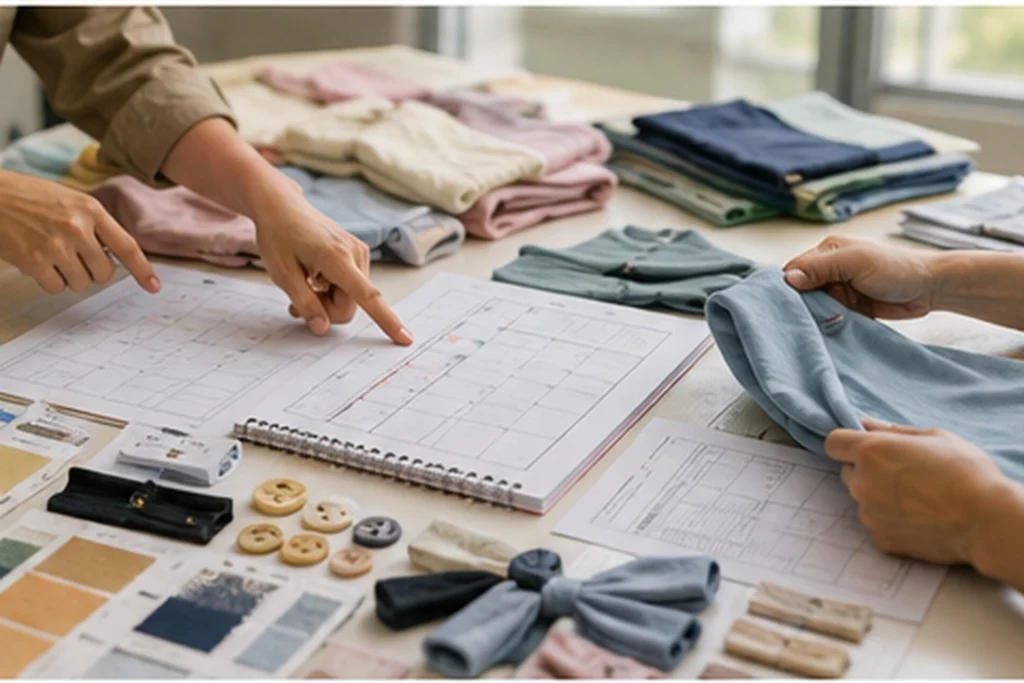
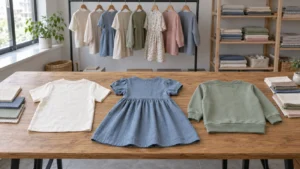
التخطيط لطلب متكرر لملابس الأطفال مع عينات وأقمشة وجدول زمني للتسليم.
لماذا يمكن أن تتم الطلبات المتكررة بشكل أسرع من الطلبات الأولى
إن السبب الأكبر الذي يجعل الطلب المتكرر يتم بسرعة هو أن المصنع لم يعد مضطراً إلى إعادة اكتشاف المنتج.
تذكر ما حدث في أول طلبية مخصصة لك. اعتمادًا على المشروع، ربما تكون قد مررت بما يلي:
- مراجعة التصميم والجدوى
- توضيح حزمة المواصفات الفنية
- تصميم النماذج
- تصنيف الأحجام
- مصادر الأقمشة
- تقليص مصادر التوريد
- تطوير النموذج الأولي
- تصحيحات المقاس
- الموافقة على العمل الفني
- عينات الطباعة أو التطريز
- تطوير الملصقات
- تأكيد التغليف
- الموافقة على عينة ما قبل الإنتاج
- تخطيط الإنتاج بالجملة
لا ينبغي أن يحتاج طلب التكرار الحقيقي إلى معظم هذا التطوير مرة أخرى.
إذا لم يطرأ أي تغيير على تصميم القطعة، فمن المفترض أن يكون لدى المصنع بالفعل النموذج النهائي، والمقاسات المتدرجة، وجدول القياسات المعتمد، وتفاصيل التصميم، والرسومات، ومواصفات التشطيبات المعتمدة، وتعليمات التغليف، وسجل الإنتاج. وهذا أحد الأسباب التي تجعل من المفيد الاحتفاظ بنسخة "رئيسية" واحدة وواضحة لكل تصميم معتمد بدلاً من ترك معلومات الإنتاج متناثرة عبر رسائل البريد الإلكتروني وسلاسل الرسائل.
إذا كنت ترغب في إلقاء نظرة أعمق على ما يتعين على المصنع عادةً تأمينه قبل أول طلبية بالجملة، فإليك دليل HAPA لـ إنتاج ملابس الأطفال للمعدات الأصلية يوضح هذا كيف تترابط مراجعة التصميم، والأنماط، والتصنيف، ومصادر المواد، والعينات، والإنتاج، ومراقبة الجودة. في حالة نجاح طلبية متكررة، يكون جزء كبير من العمل التمهيدي قد أُنجز بالفعل.
هذا هو المكان مدة تنفيذ طلبات إعادة شراء ملابس الأطفال الصينية يمكن أن تتحسن الأمور بشكل كبير: ليس لأن المصنع يتجاهل الضوابط الضرورية، ولكن لأنه يتجاهل إعادة التطوير غير الضرورية.
أسرع طلب متكرر هو طلب متكرر دون تغيير
إذا كانت السرعة مهمة، فإن ترتيب التكرار الأكثر نظافة يكون مملاً بأفضل طريقة ممكنة.
الأمر سيان:
- نمط
- القياسات
- قماش
- لون
- طباعة أو تطريز
- الملصقات
- الزخارف
- التغليف
- نطاق المقاسات
- معايير جودة الصنع
بمجرد أن تبدأ في تغيير هذه العناصر، يتحول الترتيب من "التكرار" إلى "المراجعة".“
كثيرًا ما أسمع المشترين يقولون: "إنه نفس الطلب، لكن بكمّ أطول قليلًا، ولون جديد، وقماش أثقل، وموضع تطريز مختلف". من وجهة نظر التسويق، قد تبدو هذه تغييرات طفيفة. أما من وجهة نظر التصنيع، فقد تستدعي تصميم نماذج جديدة، وفحوصات جديدة للمقاسات، ومصادر جديدة للمواد، وتأكيد التصميم، أو الموافقة على العينات.
إذا كان لديك كتاب رائج للغاية وترغب أيضًا في تحسينه، فأنا عادةً ما أفصل بين الهدفين:
1. كرر النسخة المجربة بسرعة.
2. قم بتطوير النسخة المعدلة كإصدار جديد لدورة الإنتاج التالية.
هذا يحمي جدول إعادة التوريد الخاص بك دون أن يمنع تحسين المنتج.
عادةً ما يحدد توافر الأقمشة الجدول الزمني الفعلي
إذا كان عليّ اختيار عامل واحد يحدد في أغلب الأحيان ما إذا كان الطلب المتكرر يمكن أن يكون سريعًا، فسيكون نوع القماش.
تحظى عملية الخياطة باهتمام كبير لأن المشترين يستطيعون رؤيتها أثناء سيرها في المصنع. لكن خط الإنتاج لا يبدأ بالقص إلا بعد تجهيز المواد المناسبة.
لنفترض أن قميص الأطفال الأكثر مبيعًا لديك مصنوع من قماش قطني-بوليستر أسود اللون. إذا كان هذا القماش متوفرًا لدى المصنع، فقد تتمكن من الانتقال إلى مرحلة الفحص والقص بسرعة.
والآن قارن ذلك بقميص رياضي مصنوع من:
- قماش تيري فرنسي محبوك حسب الطلب بوزن 320 جرامًا للمتر المربع
- مزيج قطني خاص
- لون محدد مصبوغ من بانتون
- الغسيل بالإنزيمات
- تلميع أو تشطيب خاص
قد يحتاج المصنع إلى حياكة القماش وصبغه وتشطيبه وفحصه وتسليمه مرة أخرى. قد يكون مصنع الملابس الخاص بك جاهزًا تمامًا، ومع ذلك قد يستغرق أسبوعين أو ثلاثة أسابيع في انتظار المواد.
لهذا السبب أوصي بتقسيم كل مهلة زمنية للطلبات المتكررة إلى سؤالين:
كم من الوقت يلزم لتجهيز المواد؟
كم من الوقت يستغرق إنتاج الملابس بعد وصول المواد الخام؟
ستحصل على صورة أوضح بكثير عن نقطة الاختناق.
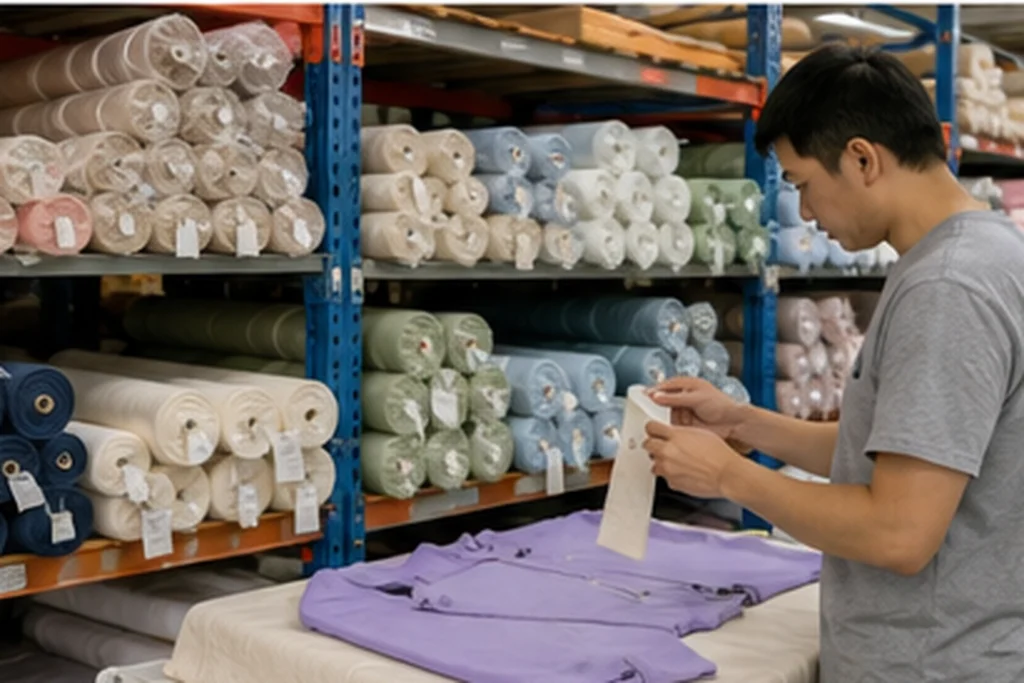
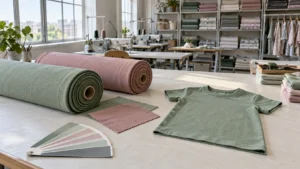
التحقق من مخزون الأقمشة لضمان سرعة إنتاج الطلبات المتكررة.
الأقمشة الجاهزة مقابل الأقمشة المصممة حسب الطلب للتجديد السريع
إذا كانت إعادة الطلب السريع أمراً أساسياً في نموذج عملك، فيجب أن تكون استراتيجية الأقمشة جزءاً من تطوير المنتج منذ البداية.
أقمشة مدعومة بالمواد الخام
يمكن أن تكون هذه مناسبة بشكل خاص للأساسيات الدائمة مثل:
- تيشيرتات
- قمصان رياضية
- بنطال رياضي
- طماق
- فساتين بسيطة
- بيجامات أساسية
المزايا واضحة: تقليل وقت الانتظار للحياكة أو الصباغة، وانخفاض الحد الأدنى للمواد في كثير من الحالات، وتسهيل عمليات التجديد الصغيرة.
يكمن المقابل في ضمان استمرارية الإنتاج. فمصطلح "قماش جاهز" لا يعني أن المصنع سيضمن توفير نفس القماش إلى الأبد. إذا كان منتج أساسي مهماً لعملك، فاسأل عن مورد القماش، وما إذا كانت المواصفات تمثل إنتاجاً منتظماً، وماذا يحدث في حال نفاد الكمية الحالية.
أقمشة مصممة خصيصاً
تمنحك الأقمشة المصممة حسب الطلب تحكماً أكبر في تركيبة الألياف، ووزنها (GSM)، وملمسها، ولونها، وتشطيبها. ويمكن أن تساعد في تمييز علامتك التجارية، ولكنها عادةً ما تجعل تخطيط الطلبات المتكررة أكثر اعتماداً على المصنع.
لا يُعدّ أيٌّ من الخيارين أفضل بالضرورة. المهم هو فهم تبعات إعادة التموين قبل أن يعتمد عليها كتابك الأكثر مبيعًا.
قد يستغرق إعادة إنتاج الألوان وقتًا أطول مما يتوقعه المشترون
يُعد رقم بانتون مفيدًا، ولكنه لا يضمن بشكل سحري تطابق اللون الإجمالي من دفعة صبغ إلى أخرى.
قد تختلف دفعة الإنتاج الجديدة اختلافًا طفيفًا بسبب نوع الألياف، أو الماء، أو ظروف الصبغ، أو درجة الحرارة، أو التشطيب، أو غيرها من متغيرات عملية الإنتاج. إذا عُرضت المنتجات السابقة والجديدة جنبًا إلى جنب في متاجر البيع بالتجزئة، فقد يصبح حتى اختلاف طفيف في اللون ملحوظًا.
في حالة تكرار الطلب، قد يحتاج المصنع إلى المقارنة بين:
- عينة أصلية معتمدة
- مختبر جديد
- مظلة قماشية بالجملة
- لون الملابس الحالي
إذا كان اللون خارج النطاق المقبول، فإن إعادة الصباغة أو التصحيح تستغرق وقتاً.
يُعدّ التخطيط لاستمرارية المواد قبل استهلاك الطلبية الأولى بالكامل حلاً عملياً للأنماط الدائمة. فإذا كان ذلك مجدياً اقتصادياً، فإنّ الاحتفاظ ببعض المواد المعتمدة يُسهّل عملية التجديد لاحقاً.
للطباعة والتطريز والأعمال الزخرفية طوابيرها الخاصة.
من الأخطاء الشائعة الاكتفاء بالسؤال عما إذا كان مصنع الملابس يمتلك القدرة على الخياطة.
قد يعتمد تصميم ملابس الأطفال على عدة شركاء إنتاج مختلفين. فقد تتم عمليات الطباعة والتطريز والغسيل وإضافة الترتر والخرز والقص بالليزر والتطريز المجمّع والثنيات وغيرها من التقنيات خارج خط الخياطة الرئيسي.
تخيل أن مصنع الخياطة سيفتح أبوابه غداً، لكن ورشة التطريز لن تتمكن من استقبال طلبك لمدة ثمانية أيام. سيظل طلبك المتكرر متأخراً.
يُعدّ هذا الأمر بالغ الأهمية، لا سيما في مجال أزياء الأطفال. ففي عملنا مع الملابس ذات الطابع الزخرفي، لا يُمثّل جدول الإنتاج جدولاً واحداً، بل سلسلة من الجداول المترابطة. ويعتمد تحقيق أسرع وقت ممكن للتسليم على أبطأ عملية حرجة.
ولهذا السبب، عندما تناقش مدة تنفيذ طلبات إعادة شراء ملابس الأطفال الصينية, اسأل موردك عن الخطوات الداخلية، والخطوات التي يتم الاستعانة بمصادر خارجية لتنفيذها، والخطوة التي تتحكم حاليًا في المسار الحرج.
قد تؤدي الملصقات والتغليف إلى تأخير إنتاج الملابس الجاهزة.
هناك تأخير آخر في الطلب المتكرر وهو أمر بسيط بشكل مدهش: الملابس جاهزة، لكن مكونات العلامة التجارية ليست كذلك.
قد يتطلب منتجك ما يلي:
- العلامة المنسوجة الرئيسية
- ملصق المقاس
- ملصق العناية
- بطاقة معلقة
- ملصق الباركود
- كيس بلاستيكي مطبوع
- ورق المناديل
- علامات كرتونية مخصصة
غالباً ما تأتي هذه المنتجات من موردين منفصلين.
إذا كنت تعلم أن نفس الملصق سيُستخدم في العديد من الطلبات المستقبلية، فقد يكون من المنطقي إنتاج كميات إضافية والحفاظ على توازن مُحكم مع المصنع. تُعدّ الملصقات رخيصة نسبيًا مقارنةً بتكلفة نفاد المخزون الناتج عن انتظار دفعة طباعة صغيرة أخرى.
هابا سير عمل نموذج المنتج يُعدّ هذا تذكيراً مفيداً بأنّ اختيار المواد والتشطيبات جزءٌ لا يتجزأ من تطوير المنتج، وليس أمراً ثانوياً. وينطبق المبدأ نفسه على الإنتاج المتكرر: فكلما زادت جاهزية سلسلة التوريد لديك للإنتاج المتكرر، كلما تسارعت عملية إعادة التموين.
الطاقة الإنتاجية هي المتغير الذي لا يمكنك تجاهله
حتى لو كانت جميع المواد جاهزة، فإن المصنع لا يزال بحاجة إلى خط إنتاج.
وهنا يشعر المشترون بالإحباط أحياناً لأن المصنع نفسه قد يقدم مواعيد تسليم مختلفة تماماً في أوقات مختلفة من السنة.
في غضون شهر، قد يتناسب طلبك المتكرر تمامًا مع أي فرصة متاحة. وفي شهر آخر، قد تكون جميع الصفوف المناسبة محجوزة بالفعل.
لا يعني ذلك بالضرورة أن المورد غير متسق. تعمل مصانع الملابس وفقًا لجداول الإنتاج، وتتغير إمكانية توفر خطوط الإنتاج مع تقدم طلبات العملاء عبر مراحل القص والخياطة والتشطيب والتعبئة.
في شركة HAPA، على سبيل المثال، يتم التحقق من جدوى الطلبات العاجلة الحالية مقابل جدول الإنتاج والطلب المحدد بدلاً من التعامل معها على أنها وعد نهائي. وهذا هو السبب أيضاً في الأسئلة الشائعة حول HAPA يؤكد على أن وقت التسليم يختلف باختلاف تعقيد المنتج وكميته.
إذا وعد المورد بنفس مدة التسليم لـ 500 قطعة و 50000 قطعة دون التحقق من جدوله الزمني، فسأطلب المزيد من التفاصيل.
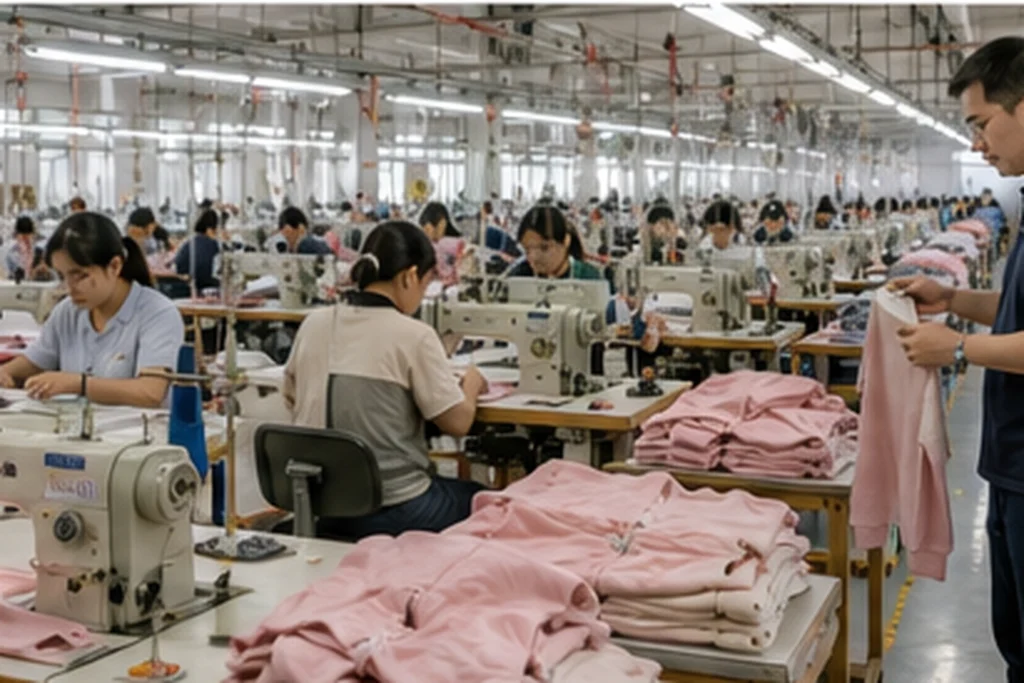
خط إنتاج ملابس الأطفال حسب الطلب المتكرر.
التنبؤ هو أفضل طريقة لكسب الوقت لنفسك
أفضل طلبات التكرار يتم عادةً قبل أن تصبح ملحة.
إذا انتظرت حتى يكاد مخزون مستودعك ينفد، فلن يكون لدى المصنع مساحة كافية لمساعدتك. أما إذا شاركت مؤشرات الطلب مبكراً، فقد يتمكن المورد أحياناً من تجهيز ما هو أهم.
- احجز نافذة انتظار
- تحقق من توافر القماش
- تأكد من توفر التشطيبات
- أبلغ المطحنة
- قم بإعداد الملصقات
- تحقق من ملفات الأعمال الفنية
ليس من الضروري دائمًا إصدار أمر شراء قبل أشهر. حتى التوقعات الموثوقة يمكن أن تُحسّن التخطيط.
على سبيل المثال، بدلاً من كتابة:
“"قد نطلب مرة أخرى في وقت ما."”
يحاول:
“تشير المبيعات الحالية إلى أننا قد نحتاج إلى 1500 وحدة إضافية من الطرازين A وB خلال أربعة أسابيع. يرجى التحقق من حالة المواد وتوافر الإنتاج المحتمل حتى نتمكن من اتخاذ القرار بحلول يوم الجمعة.”
هذه معلومات يمكن للمصنع أن يتصرف بناءً عليها.
يؤدي تكرار الكمية إلى تغيير وقت التسليم
تكرار 300 قطعة وتكرار 30000 قطعة ليسا نفس المشكلة.
حتى عندما تكون المواد جاهزة تمامًا، فإن حجم الإنتاج يتحكم في عدد ساعات القص والخياطة والتشطيب والفحص والتعبئة المطلوبة.
لنفترض أن خط إنتاج واحد يستطيع إنجاز حوالي 700 قطعة من تصميمك يوميًا بعد الموازنة والتشغيل. الفرق بين 700 قطعة و7000 قطعة ليس فرقًا إداريًا؛ بل هو عشرة أضعاف عبء العمل في الخياطة ما لم يتم تخصيص خطوط إنتاج إضافية.
لذا ينبغي على البرامج المتكررة الكبيرة أن تطرح أسئلة مثل:
- كم عدد الأسطر التي يمكن تشغيلها بهذا النمط؟
- متى يمكن أن يبدأ كل سطر؟
- هل يمكن البدء بالتقطيع قبل تسليم جميع المواد؟
- هل يمكن طرح الكميات النهائية على دفعات؟
- هل يمكن شحن الجزء الأول قبل اكتمال الطلب بالكامل؟
قد يكون هذا السؤال الأخير مفيداً للغاية عندما يكون تجنب نفاد المخزون أهم من الحفاظ على جميع الكراتين معاً.
سرعة في التنفيذ حسب نوع المنتج
تختلف مسارات إنتاج الملابس المختلفة، لذلك لا أنصح باستخدام هدف واحد لكل فئة.
تيشيرتات الأطفال: حوالي 7-20 يومًا في حالة تكرار الطلب بشكل مناسب
تعتبر القمصان من بين أسهل المنتجات التي يمكن تكرارها لأن تصميمها بسيط، وعمليات الخياطة موحدة نسبياً، وقد يكون من الأسهل الحصول على أقمشة الجيرسي الشائعة.
ما الذي يمكن أن يبطئهم؟
- صباغة مخصصة
- طباعة شاملة
- غسيل خاص
- تطريز معقد
- كمية كبيرة
البلوزات والسترات ذات القلنسوة: حوالي 12-25 يومًا
يمكن إنجاز صناعة سترة رياضية بسيطة بسرعة، ولكنها عادةً ما تتطلب مواد وعمليات أكثر من صناعة قميص تي شيرت. وقد تؤثر مكونات مثل النسيج المضلع، وبطانة غطاء الرأس، والسحابات، والجيوب، والتطريز، أو رباط الشد على مدة الإنتاج.
إذا كانت علامتك التجارية تبيع هذه الفئة من المنتجات بشكل متكرر، فإن استخدام قماش ثابت الجودة يُحدث فرقًا كبيرًا. تُظهر خبرة HAPA في تصنيع قمصان الأطفال الرياضية أهمية الحفاظ على وزن القماش، والمقاس، والزخرفة، والملصقات، والتغليف، من دفعة إنتاج إلى أخرى.
بيجامات: حوالي 15-30 يومًا
قد تتطلب أطقم البيجامات أقمشة مطبوعة حسب الطلب، أو أضلاعًا، أو قطع ملابس متعددة، أو مراجعة امتثال خاصة بالسوق. يمكن أن تكون عملية إعادة الطباعة سريعة إذا كان القماش جاهزًا؛ وتصبح أبطأ عند الحاجة إلى إنتاج دفعة طباعة جديدة.
فساتين البنات: حوالي 15-35 يومًا
قد يتكرر تصميم فستان قطني بسيط بسرعة. أما الفستان متعدد الطبقات ذو البطانة والتول والدانتيل والكشكشة والفيونكات والتطريز، فقد يتطلب عدة موردين للمواد والديكورات.
ملابس الأطفال المطرزة أو المزينة بالترتر أو الخرز: حوالي 20-40 يومًا
تتطلب هذه المنتجات تنسيقاً يتجاوز مجرد الخياطة. فإذا كانت قدرة التزيين محدودة، فقد يؤثر ذلك على جدول الطلبات بأكمله.
السترات والملابس الخارجية: حوالي 25-45 يومًا
غالباً ما تحتوي السترات على مكونات أكثر، وعمليات خياطة أكثر، ومواد أكثر تخصصاً. يمكن أن يؤدي استخدام قماش الغلاف الخارجي، والبطانة، والحشوة، والسحابات، والأزرار، والجيوب، والتشطيبات التقنية إلى إطالة المسار الحرج.
هذه نطاقات تخطيطية، وليست معايير صناعية مضمونة. يجب على موردك تقديم عرض سعر بناءً على التصميم الفعلي وظروف الإنتاج الحالية.
هل يستطيع موردو ملابس الأطفال الصينيون حقاً تكرار العملية في 7 أيام؟
أحيانًا، نعم. لكنني سأعتبر الأيام السبعة استثناءً استثنائيًا وليس افتراضًا تشغيليًا قياسيًا.
تكون عملية إعادة تجهيز المصنع في غضون سبعة أيام أكثر قابلية للتصديق عندما:
- الطلب صغير
- المنتج بسيط
- القماش متوفر فعلياً
- تتوفر الزخارف والملصقات فعليًا
- لم يتغير الأسلوب.
- لا يلزم الحصول على موافقة جديدة
- يمكن بدء خط الخياطة على الفور
إذا ادعى أحد الموردين أنه يستطيع دائماً إنتاج ملابس أطفال معقدة في غضون سبعة أيام، فسأطلب منه تقديم الجدول الزمني الذي يستند إليه هذا الادعاء.
متى سيبدأ التقطيع؟ ما هي المواد الموجودة حاليًا في المستودع؟ أي خط إنتاج سيتولى تنفيذ الطلب؟ متى ستبدأ عملية التزيين؟ متى سيتم الفحص النهائي؟
يجب أن يكون لسرعة التسليم تفسير.
لماذا يُعدّ 10-15 يومًا هدفًا أفضل للتكرار السريع
بالنسبة لعلامة تجارية تسعى عمداً إلى بناء نظام إعادة تعبئة سريع،, 10-15 يومًا من المصنع يُعد هدفًا أفضل وأكثر فائدة للأنماط المناسبة.
لا يزال الأمر عدوانياً، ولكنه يترك مجالاً أكبر لخطوات الإنتاج الحقيقية:
1. التحقق من المواد
2. القطع
3. تجهيز الخط
4. الخياطة
5. التشطيب
6. فحص القياسات وجودة الصنعة
7. التعبئة
8. الإصدار النهائي
ينبغي أن يكون الهدف هو إزالة الانتظار وإعادة التطوير، وليس إزالة الضوابط التي تحافظ على اتساق المنتج.
هذا التمييز مهم. يمكن للمصنع تقليص وقت الإنتاج بالعمل بكفاءة، أو بتجاوز بعض الخطوات. ليست هاتان الطريقتان متطابقتين.
لا يزال الطلب المتكرر بحاجة إلى مراقبة الجودة
لن أعتبر أبداً تكرار الإنتاج بمثابة إذن للتوقف عن فحص المنتج.
كل دورة إنتاج جديدة يمكن أن تُدخل متغيرات جديدة:
- مجموعة أقمشة جديدة
- دفعة صبغ جديدة
- مجموعة جديدة من الزخارف
- مشغلون مختلفون
- ضبط الآلة
- عمال التعبئة والتغليف المختلفين
تم بالفعل وضع المعيار المرجعي، مما يجعل مراقبة الجودة أسهل، لكن هذا لا يجعل مراقبة الجودة غير ضرورية.
في حالة تكرار الطلب، أتوقع أن تغطي الشيكات ما يلي:
- القياسات الرئيسية
- صنعة
- عيوب النسيج
- لون
- زخرفة
- الملصقات
- كمية
- التعبئة والتغليف
إذا كنت ترغب في فهم مكان هذه الفحوصات في تسلسل الإنتاج العادي، فراجع دليل HAPA الخاص بـ عملية مصنع الملابس يشرح مراحل الإنتاج من التطوير مروراً بالقص والخياطة والفحص والتعبئة.
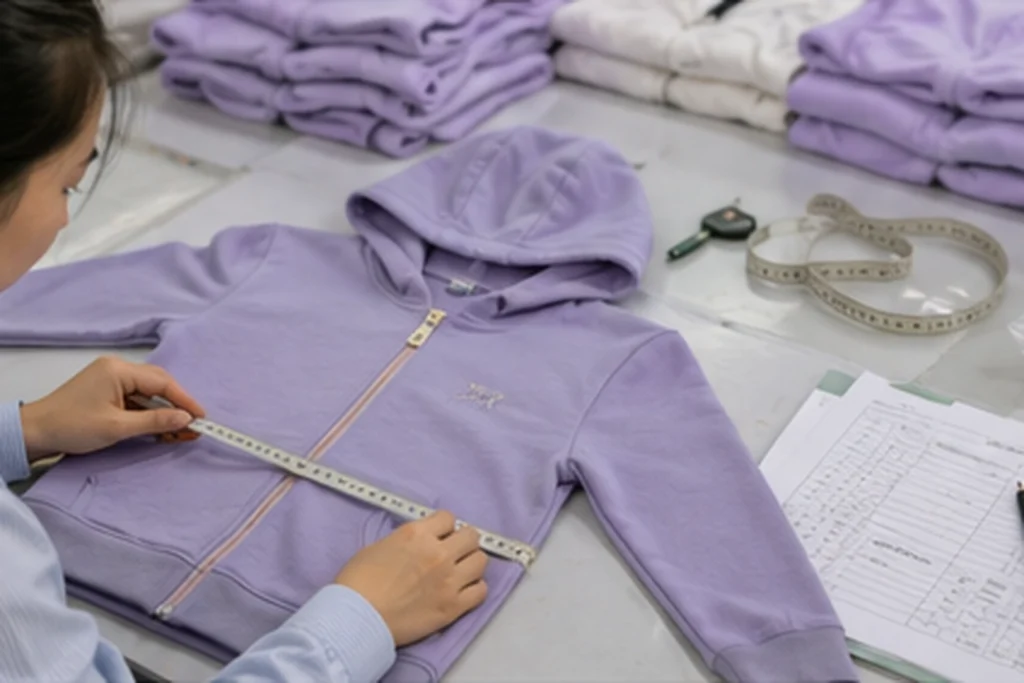
مراقبة الجودة من خلال فحص المقاسات وجودة الصنعة في ملابس الأطفال المتكررة.
لا يختفي الامتثال عند تكرار الطلب
وهذا الأمر مهم بشكل خاص بالنسبة لمنتجات الأطفال.
قد يكون الطلب المتكرر مطابقًا تجاريًا للدفعة السابقة، ولكنه يظل دفعة تصنيع جديدة. إذا كنت تستورد إلى الولايات المتحدة، فلا تفترض أن وثائق الشحنة السابقة تُغني تلقائيًا عن جميع متطلبات الشحنة التالية.
لجنة سلامة المنتجات الاستهلاكية الأمريكية إرشادات شهادة منتجات الأطفال توضح لجنة سلامة المنتجات الاستهلاكية أن منتجات الأطفال المشمولة تتطلب شهادة بناءً على متطلبات الاختبار المعمول بها، وأن معلومات شهادة سلامة المنتجات الاستهلاكية تتضمن تاريخ ومكان التصنيع. اعتبارًا من 8 يوليو 2026، أشارت اللجنة أيضًا إلى ضرورة تقديم شهادات المطابقة إلكترونيًا لمعظم المنتجات الخاضعة للتنظيم والمستوردة إلى الولايات المتحدة.
وبالمثل، فإن لجنة سلامة المنتجات الاستهلاكية إرشادات ملصقات التتبع يوضح ذلك أن المعلومات التعريفية ضرورية لتحديد الشركة المصنعة أو صاحب العلامة التجارية الخاصة، وموقع/تاريخ الإنتاج، ومعلومات الدفعة أو التشغيل. وبالتالي، قد تتطلب دفعة جديدة متكررة تحديثًا لتتبع الإنتاج حتى لو لم يتغير التصميم نفسه.
أما بالنسبة للملابس النسيجية، فإن لجنة التجارة الفيدرالية إرشادات وضع العلامات على الملابس لا تزال هذه المعلومات ذات صلة بمحتوى الألياف، وبلد المنشأ، وتحديد الجهة المسؤولة، ومعلومات الرعاية.
الدرس التجاري بسيط: لا تقم بإنشاء عملية طلب متكرر "سريعة" تتعامل مع مستندات الامتثال على أنها أوراق اختيارية يتم إصلاحها بعد الإنتاج.
احتفظ بنسخة واحدة معتمدة من النسخة الأصلية للإنتاج
قد يبدو نظام التحكم في الإصدارات مملاً حتى يقوم بحفظ طلب كامل.
قد تمتلك العلامة التجارية ما يلي:
- نموذج V1
- نموذج منقح V2
- نموذج ما قبل الإنتاج الإصدار الثالث
- التعليقات النهائية المجمعة
- جدول بيانات القياسات المحدث
- ملف عمل فني جديد
إذا أعاد المصنع فتح نمط قديم أو مخطط قياس عن طريق الخطأ أثناء إعادة الطلب، فإن "نفس النمط" لم يعد هو نفس النمط.
أوصي بالاحتفاظ بحزمة إنتاج نهائية واحدة تحدد بوضوح ما يلي:
- مرجع النمط النهائي
- مخطط القياسات النهائي
- مواصفات القماش
- مرجع الألوان
- عمل فني
- وضع الزينة
- ملفات التصنيف
- تعليمات التعبئة والتغليف
- تاريخ أو مرجع العينة المعتمدة
قوي حزمة تقنية للملابس يُعد هذا مفيدًا هنا لأنه يجمع المعلومات التي يحتاجها المصنع لإعادة إنتاج الملابس بدقة بدلاً من الاعتماد على الذاكرة.
هذه إحدى أبسط الطرق للتحسين مدة تنفيذ طلبات إعادة شراء ملابس الأطفال الصينية دون الضغط على خط الخياطة على الإطلاق.
متى يجب عليك طلب عينة جديدة قبل الإنتاج
لا داعي لإعادة أخذ العينات بالكامل لكل طلب متكرر لم يطرأ عليه تغيير. ولكنني سأطلب نقطة موافقة أخرى عند حدوث تغيير جوهري في متغيرات الإنتاج.
ومن الأمثلة على ذلك:
- مورد أقمشة مختلف
- اختلاف كبير بين دفعات الصبغة
- مورد جديد للطباعة أو التطريز
- تغيير في البناء
- تغيير القياس
- تغيير التشطيب
- تم نقل الإنتاج إلى مصنع آخر
- فجوة طويلة منذ الطلب السابق
إن قضاء بضعة أيام في تأكيد حدوث تغيير ذي مغزى يمكن أن يمنع أسابيع من العمل التصحيحي لاحقاً.
المبدأ ليس "أخذ عينات دائمًا" أو "عدم أخذ عينات أبدًا". بل هو أخذ عينة عند تغير المخاطر.
يمكن لحجز المواد أن يقلل أسابيع من إعادة طلب الكتب الأكثر مبيعًا
بالنسبة للمنتجات الدائمة الخضرة، يعد الاحتفاظ بالمواد أحد أقوى استراتيجيات التجديد المتاحة.
لنفترض أن منتجك الأساسي من السترة ذات القلنسوة يُباع شهرياً، وأنك تستخدم دائماً نفس نوع قماش التيري الفرنسي الأزرق الداكن. إذا كنت تشتري كمية القماش الكافية لكل طلب شراء فقط، فإن كل طلب إعادة سيبدأ بطلب إعادة إنتاج القماش من المصنع.
إذا سمحت لك الشروط التجارية بحجز أو الاحتفاظ بأقمشة إضافية معتمدة، فيمكن أن يبدأ الطلب التالي في وقت أقرب بكثير من موعد القص.
هذا الأمر فعال بشكل خاص في الحالات التالية:
- تيشيرتات أساسية
- قمصان رياضية
- بنطال رياضي
- طماق
- بيجامات أساسية
- أساسيات الزي المدرسي
وهو أقل ملاءمة للأزياء التي تتبع صيحات الموضة والتي قد لا تتكرر أبداً.
تُجمّد مخزونات المواد رأس المال، لذا ينبغي أن يستند القرار إلى بيانات المبيعات لا إلى التفاؤل. ولكن بالنسبة لمنتج حقق مبيعات قياسية، قد يكون وجود مخزون احتياطي صغير من المواد أرخص من نفاد المخزون المتكرر.
احتفظ أيضاً بتقليمات الأشجار دائمة الخضرة في الاحتياط.
وينطبق المنطق نفسه على المكونات التي تعلم أنك ستستمر في استخدامها:
- العلامات الرئيسية
- ملصقات المقاسات
- ملصقات العناية
- بطاقات التعليق
- أزرار قياسية
- ألوان السحابات الشائعة
- التغليف
إذا كانت علامتك التجارية تستخدم نفس الملصق المنسوج على كل منتج، فإن طلب كمية كافية فقط لأمر الشراء الحالي قد يؤدي إلى انتظار غير ضروري في المستقبل.
اسأل المصنع عن كيفية عدّ المواد المتبقية، وتحديدها، وحمايتها، وتخزينها. لا يكفي قول "لدينا بعض الملصقات المتبقية". أنت بحاجة إلى رصيد مُحكم يمكن التحقق منه عند بدء الطلبية التالية.
استخدام مواد مشتركة في العديد من الكتب الأكثر مبيعاً
يمكن لمجموعة مصممة بشكل جيد أن تجعل عملية التجديد أسهل دون أن تبدو متكررة.
على سبيل المثال، يمكن لقطعة واحدة من قماش الجيرسي القطني بوزن 210 غرام/متر مربع أن تدعم ما يلي:
- تي شيرت
- تيشيرت بأكمام طويلة
- ملابس غير رسمية
يمكن لقطعة قماش تيري فرنسية واحدة بوزن 300 غرام/متر مربع أن تدعم ما يلي:
- زُنط
- عداء ببطء
- سراويل
وهذا يمنح مورد المواد حجمًا إجماليًا أكثر جدوى ويسمح لك باستخدام المخزون المحجوز عبر عدة وحدات تخزين.
لا يزال بإمكانك خلق التميّز من خلال التصميم، وتنسيق الألوان، والتطريز، والطباعة، وتفاصيل الجيوب، والزخارف.
هذا تصميم لسلسلة التوريد، وليس مجرد تصميم للملابس.
احسب نقاط إعادة الطلب قبل انخفاض المخزون
الإنتاج السريع مفيد، لكن الطريقة الأكثر موثوقية لتجنب نفاد المخزون هي إعادة الطلب في الوقت المناسب.
تتمثل صيغة التخطيط البسيطة فيما يلي:
متوسط المبيعات الأسبوعية × إجمالي وقت إعادة التموين + مخزون الأمان
يفترض:
- متوسط المبيعات = 150 قطعة/أسبوع
- الإنتاج + الفحص + الشحن = 5 أسابيع
- مخزون الأمان = 300 قطعة
ستكون نقطة إعادة الطلب الأساسية لديك هي:
150 × 5 + 300 = 1050 قطعة
عندما يقترب المخزون المتاح من ذلك المستوى، تبدأ عملية إعادة الطلب.
هذا أكثر أمانًا بكثير من الانتظار حتى يقول لك المستودع: "لم يتبق لدينا سوى أسبوعين".“
ينبغي أن تعكس الصيغة الدقيقة تقلبات مبيعاتك ونموذج عملك، لكن المبدأ عالمي: ينبغي أن يتلقى المصنع اتصالاً منك قبل وقوع حالة الطوارئ.
أدرج الخدمات اللوجستية في وقت التجديد الفعلي الخاص بك
إن دورة الإنتاج التي تستغرق 12 يومًا لا تعني تجديد المخزون في المستودع خلال 12 يومًا.
قد يتضمن الجدول الزمني الكامل الخاص بك ما يلي:
- إنتاج
- الفحص النهائي
- إذن تغليف
- مستندات التصدير
- النقل بالشاحنات إلى وكيل الشحن
- النقل الجوي أو البحري
- التخليص الجمركي
- التسليم المحلي النهائي
إذا قمت بقياس جدول المصنع فقط، فقد تعتقد أن لديك وقتًا أكثر مما هو عليه في الواقع.
يكتسب هذا الأمر أهمية خاصة عند مقارنة استراتيجيات الشحن الجوي والبحري. قد تبرر الحاجة المُلحة الشحن الجوي للكمية الأولى، بينما يتم نقل الكمية المتبقية بحراً.
يمكن للشحنات الجزئية حماية المبيعات دون الحاجة إلى شحن كل شيء جواً
تخيل أنك تعيد إنتاج 5000 نسخة من كتاب من أكثر الكتب مبيعًا، ولكنك ستنفد من المخزون قبل وصول الطلبية الكاملة.
أحد الحلول العملية هو الشحن المجزأ:
- يتم تعبئة أول 800 إلى 1000 قطعة وشحنها جواً فور اجتيازها الفحص.
- تم إنجاز وشحن أكثر من 4000 قطعة متبقية باستخدام الطريقة العادية الأقل تكلفة
يمكن لهذا أن يقلل من تكلفة الاستعجال مع حماية الإيرادات.
الأهم هو مناقشة هذا الأمر قبل بدء التعبئة. قد يحتاج المصنع إلى خطط منفصلة للكرتون، والكميات، والوثائق، وترتيبات التفتيش.
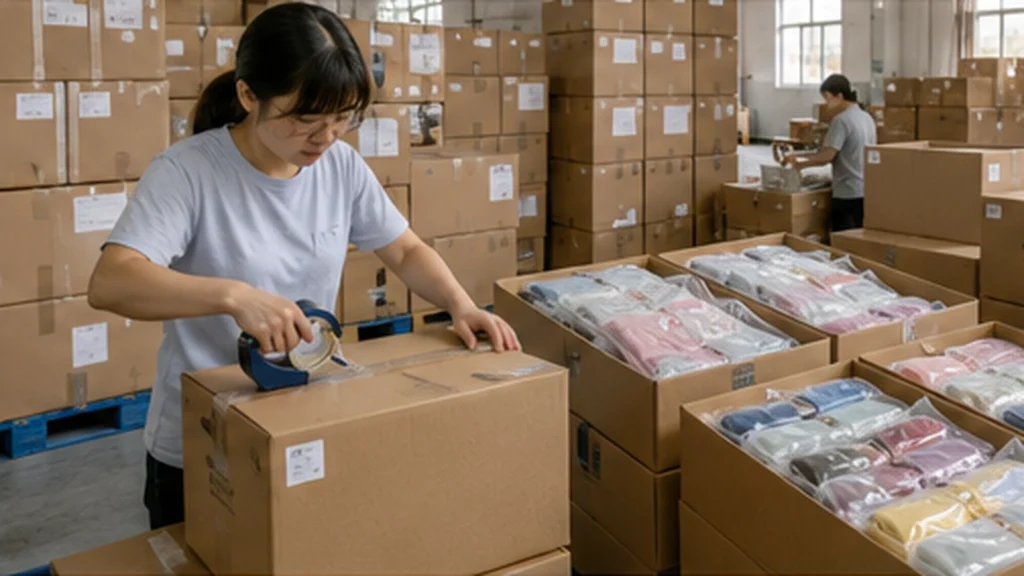
تعبئة وتجهيز طلبات ملابس الأطفال المتكررة للشحن.
قد يكون أسرع مورد لديك هو المورد الذي تتعامل معه بالفعل
عندما يحقق منتج ما مبيعات جيدة، يسعى المشترون بطبيعة الحال إلى تقليل التكاليف. وفي بعض الأحيان، يقدم مورد آخر سعرًا أقل للوحدة.
لكن تغيير كتاب من الكتب الأكثر مبيعاً ينطوي على تكلفة خفية تتعلق بفترة الانتظار.
المصنع الأصلي يعرف ذلك بالفعل:
- النمط
- قواعد التقييم
- مصدر القماش
- معيار اللون
- برنامج الديكور
- طريقة التعبئة
- مشاكل مراقبة الجودة السابقة
- عاداتك في الموافقة
قد يحتاج المصنع الجديد إلى إعادة إنشاء كل ذلك من خلال أخذ العينات والمقارنة.
إذا كان فرق السعر ضئيلاً وكانت سرعة إعادة التموين مهمة، فقد تكون الاستمرارية أكثر قيمة من الوفورات.
لا أقترح عليك ألا تغير الموردين أبدًا. بل أقترح عليك أن تُضمّنهم في عملية التغيير. وقت إعادة التأهيل ومخاطر الإنتاج في المقارنة بدلاً من تقييم سعر الوحدة فقط.
ما يمكن للمشترين فعله لتقليل وقت انتظار الطلبات المتكررة
يتحكم المصنعون في أرضية الإنتاج، لكن المشترين يتحكمون في العديد من التأخيرات المحيطة بها.
تجميد المواصفات
إذا كانت إعادة العملية ضرورية، فتجنب التغييرات غير الضرورية.
توقعات سابقة
أعطِ موردك معلومات واقعية مسبقة حول الكميات المحتملة.
الرد سريعاً
إذا طلب المصنع تأكيداً، فإن صمت المشتري لمدة أربعة أيام لا يزال يمثل أربعة أيام من مهلة التسليم.
التزم بمواعيد الدفع المحددة.
إذا تعذر بدء الإنتاج حتى يتم استلام الدفعة المقدمة المتفق عليها، فإن التأخر في الدفع يؤدي إلى تأخير الطلب بغض النظر عن قدرة المصنع.
حافظ على ملفات نظيفة
نموذج أخير، مخطط قياس أخير، ملف عمل فني أخير.
احتفظ بالمواد المتكررة جاهزة
بالنسبة للمنتجات المجربة، ضع في اعتبارك المواد وحواجز التشذيب حيثما يكون ذلك منطقياً من الناحية التجارية.
تجنب تغييرات التغليف في اللحظة الأخيرة
قد يؤدي تغيير مواصفات الحقيبة أو العلامة أو الرمز الشريطي أو الكرتون إلى تأخير شحن قطعة ملابس جاهزة للشحن.
غالباً ما يكون لهذه الممارسات تأثير أكبر على مدة تنفيذ طلبات إعادة شراء ملابس الأطفال الصينية بدلاً من مطالبة خط الخياطة بالعمل لساعات إضافية.
ما ينبغي على المورد فعله لدعم الطلبات المتكررة السريعة
ينبغي أن يكون الشريك الجيد في مجال الطلبات المتكررة قادراً على استرجاع سجل الإنتاج النهائي بسرعة.
أتوقع من أي شركة مصنعة منظمة أن تحتفظ بإمكانية الوصول إلى ما يلي أو تعيد إنتاجها:
- النمط والدرجة المعتمدان
- مواصفات القياس النهائية
- تفاصيل القماش والزخارف
- ملفات العمل الفني
- وضع الزينة
- تعليمات التعبئة والتغليف
- معيار الجودة
- تعليقات الإنتاج السابقة
في شركة HAPA، عندما يستفسر أحد العملاء الحاليين عن طلبية عاجلة، فإن الخطوة الأولى المفيدة ليست تحديد موعد. بل التحقق مما إذا كان التصميم لم يتغير، وما هي المواد المتوفرة، وما هي العمليات التي تحتاج إلى إعادة جدولة، وما هي الطاقة الإنتاجية المتاحة حاليًا.
عندها فقط يصبح الموعد "السريع" ذا معنى.
آلية عمل عملية لإعادة الطلب خلال 15 يومًا
بالنسبة لمنتج مناسب بمواد متوفرة بالفعل، قد تبدو عملية التكرار السريع كالتالي:
اليومان 1-2: عن طريق الفم وتأكيد متكرر
تأكيد الكمية، ونسبة الحجم، واللون، والمواصفات النهائية، ومخزون المواد، والتعبئة والتغليف.
اليومان الثاني والثالث: فحص المواد وإعدادها
تحقق من لون القماش، والعيوب، والزخارف، والملصقات، وكميات التعبئة والتغليف.
الأيام 3-5: القص وتحضير الخط
قم بإعداد العلامة، ونشر القماش وقصه، وفرز الحزم، وموازنة خط الإنتاج.
الأيام من 5 إلى 11: الخياطة والتزيين
تشغيل عملية تجميع الملابس وأي عملية تزيين داخلية أو مجدولة.
الأيام 10-13: التشطيب المباشر ومراقبة الجودة
تحقق من المقاسات وجودة الصنع عند خروج المنتج من خط الإنتاج.
الأيام 13-15: الفحص النهائي والتعبئة
إتمام التشطيب، والفحص النهائي، والتعبئة، والتحقق من الكرتون، والإفراج عن المنتج من المصنع.
هذا مثال على كيفية تنظيم عملية إعادة إنتاج مُعدّة جيدًا. وهو ليس جدولًا زمنيًا عامًا. يجب أن يستند الجدول الزمني الفعلي إلى النمط والكمية والمواد والطاقة الإنتاجية الفعلية.
مؤشرات تحذيرية في وعود مهلة التسليم للطلبات المتكررة
سأكون حذراً عند التعامل مع مورد:
حدد تاريخًا سريعًا قبل فحص المواد
ينبغي أن يكون التحقق من حالة القماش من بين الأسئلة الأولى.
يمنح نفس وقت التسليم لكل كمية
يؤثر حجم الإنتاج على وقت الخياطة والتشطيب.
لا يمكن تحديد خط الإنتاج أو نافذة البدء
لا يزال الطلب المتكرر بحاجة إلى مكان في الجدول الزمني.
يقول إن مراقبة الجودة غير ضرورية لأن التصميم تم إنشاؤه قبل
قد تحتوي كل دفعة إنتاج على مواد جديدة واختلافات في جودة الصنع.
يعد بجدول زمني قصير للغاية ولكنه يتخلف عنه مراراً وتكراراً
إن الالتزام الموثوق به لمدة 22 يومًا أكثر قيمة من الناحية التشغيلية من الوعد غير الموثوق به لمدة 10 أيام.
في تخطيط المخزون، تُعد الدقة جزءًا من السرعة، ولهذا السبب مدة تنفيذ طلبات إعادة شراء ملابس الأطفال الصينية ينبغي قياسها بناءً على مواعيد إنجاز موثوقة بدلاً من الوعود المتفائلة.
كيفية طلب تاريخ مناسب لإعادة الطلب من المصنع
بدلاً من إرسال رسالة "ما مدى سرعة إنجازك لهذا؟"، أوصي بإرسال رسالة تحتوي على معلومات كافية لإجراء فحص حقيقي:
نرغب في إعادة إنتاج النموذج (أ) بنفس القماش والمقاسات والتصميم والملصقات والتغليف المعتمدة. الكمية المطلوبة 2000 قطعة. يرجى التأكد من توفر المواد والزخارف الأصلية، وما إذا كان يجب إعادة إنتاج أي جزء منها، وأقرب تاريخ للقص، وأقرب تاريخ واقعي لخروج المنتج من المصنع.
ثم اسأل:
1. هل يتوفر نفس القماش فعلياً؟
2. وإذا لم يكن الأمر كذلك، فكم من الوقت سيستغرق التكاثر؟
3. هل جميع الزخارف والملصقات متوفرة؟
4. هل هناك حاجة لإعادة تصميم أي عمل فني أو ديكور؟
5. هل هناك حاجة إلى عينة أخرى أو موافقة؟
6. متى يمكن البدء بالقص؟
7. أي خط سيتولى تنفيذ الطلب؟
8. كم يوماً سيستغرق الخياطة والتشطيب؟
9. متى يمكن إجراء الفحص النهائي؟
10. هل الشحن الجزئي ممكن؟
هذا يجبر الحوار على الابتعاد عن المهلة التسويقية العامة والتوجه نحو خطة إنتاج فعلية.
الأسئلة الشائعة
ما هو أسرع وقت لإنجاز طلبات إعادة شراء ملابس الأطفال الصينية؟
للحصول على تكرار حقيقي بمواصفات غير متغيرة، ومواد جاهزة، وطاقة إنتاجية مفتوحة للمصنع، تقريبًا من 7 إلى 15 يومًا من المصنع قد يكون ذلك ممكناً أحياناً بالنسبة للمنتجات البسيطة. أما بالنسبة للتخطيط،, 15-30 يومًا يُعد هذا النطاق أكثر عملية للعديد من الطلبات المتكررة، في حين أن متطلبات المواد أو الزخرفة المعقدة يمكن أن تؤدي إلى تمديد الجدول الزمني بشكل أكبر.
هل يُعدّ تكرار الطلب خلال 7 أيام أمراً واقعياً؟
قد يكون ذلك مناسبًا لتصميم بسيط وصغير عندما تكون الأقمشة والزخارف والملصقات والتغليف والقدرة الإنتاجية جاهزة بالفعل. ولا ينبغي اعتباره وعدًا عاديًا لكل قطعة ملابس.
لماذا قد يستغرق طلب إعادة الشراء 30 يومًا؟
قد يحتاج المصنع إلى إعادة إنتاج القماش، أو صبغ لون جديد، أو إعادة طلب الزخارف، أو انتظار قدرة الطباعة أو التطريز، أو ملاءمة الطلب مع جدول إنتاج مزدحم.
هل يتطلب الطلب المتكرر عينة أخرى؟
ليس بالضرورة. إذا لم يطرأ أي تغيير حقيقي على المنتج وكانت معايير الإنتاج واضحة، فقد لا تُضيف عينة إعادة التطوير الكاملة قيمة. وتكون عينة الموافقة الجديدة أكثر فائدة عند تغيير المواد أو المورد أو القياسات أو طريقة البناء أو غيرها من المتغيرات المهمة.
هل يمكنني حجز القماش للطلبية القادمة؟
نعم في كثير من الأحيان، وذلك يعتمد على المصنع، والمصنع، والكمية، وطريقة الدفع، وسعة التخزين. بالنسبة للمنتجات الدائمة الطلب، يمكن لحجز المواد أن يقلل بشكل كبير من وقت إعادة التوريد.
هل ينبغي عليّ الاحتفاظ بملصقات وتغليف إضافيين في المصنع؟
بالنسبة للبرامج المتكررة، قد يكون ذلك مفيدًا. تأكد من تسجيل الأرصدة ووضوح ترتيبات التخزين.
هل يستغرق طلب التكرار بكميات أكبر وقتاً أطول؟
عادةً. حتى لو كانت المواد جاهزة، فإن المزيد من القطع يتطلب المزيد من وقت القص والخياطة والتشطيب والفحص والتعبئة ما لم يخصص المصنع طاقة إضافية.
هل الشحن الجوي هو الحل الأسرع؟
يمكن للشحن الجوي أن يقلل من وقت النقل الدولي، ولكنه لا يحل مشكلة تأخيرات الإنتاج. قد يكون الشحن المجزأ أحيانًا أكثر اقتصادية: شحن الجزء العاجل جوًا، وشحن الكمية المتبقية بالطريقة المعتادة.
هل ينبغي عليّ تغيير الموردين إذا قدم مصنع آخر سعراً أقل؟
ربما، ولكن يجب مراعاة إعادة التطوير، وأخذ العينات، ومطابقة المواد، ووقت التأهيل عند اتخاذ القرار. بالنسبة لمنتج حقق مبيعات قياسية، قد لا يعوض توفير بسيط في سعر الوحدة عن عملية انتقال أبطأ أو أكثر خطورة.
أفكار ختامية: بناء السرعة في النظام الأول
إذا كنت تريد أقصر ما يمكن مدة تنفيذ طلبات إعادة شراء ملابس الأطفال الصينية, لا تنتظر حتى طلب الشراء الثاني للتفكير في السرعة.
يتم إنشاء الأساس خلال أول دورة إنتاج.
أنت بحاجة إلى نموذج نهائي قابل للاسترجاع، وتدرج ثابت في المقاسات، ومواصفات واضحة للأقمشة، وتصميم فني مُحكم، وتشطيبات قابلة للتكرار، وتغليف موثق، ومعيار جودة معتمد. ثم تحتاج إلى معرفة مدى توفر المواد وقدرة المصنع قبل أن يصبح المخزون عاملاً حاسماً.
في ظل الظروف المناسبة، يمكن تكرار الإنتاج خلال 7-15 يومًا للأنماط الملائمة. مع ذلك، بالنسبة لمعظم العلامات التجارية، أنصح بوضع خطة المخزون بناءً على نطاق إنتاج أكثر تحفظًا يتراوح بين 15 و30 يومًا، ما لم يكن المورد قد تحقق بالفعل من المواد والجدول الزمني المحددين.
والأهم من ذلك، أنني سأقيس دورة إعادة التموين بأكملها، وليس أيام الخياطة فقط. فالتفتيش والتعبئة والتسليم للتصدير والشحن والجمارك والتسليم النهائي كلها تؤثر على موعد إعادة بيع المنتج فعلياً.
في شركة HAPA، أسرع محادثات إعادة الطلب هي تلك التي يستطيع فيها المشتري أن يقول: "نفس المنتج، نفس المعيار المعتمد، هذه هي الكمية، وهذا هو الوقت الذي نحتاجه فيه". عندها يمكننا التحقق مما هو جاهز فعليًا وما الذي لا يزال يتعين القيام به.
هذا أساس أقوى بكثير للتخطيط من مجرد وعد عام بـ "التسليم السريع".“
لا يقتصر دور المورد الجيد الذي يلبي الطلبات المتكررة على السرعة فحسب، بل يحرص أيضاً على ضمان إمكانية إعادة إنتاج المنتج، وتنظيم السجلات، وتوافر المواد بشكل متوقع، ومراقبة الجودة، والالتزام بموعد التسليم.
عندما تتوافر هذه العناصر، يتوقف التجديد عن كونه حالة طارئة ويبدأ في أن يصبح عملية سلسلة توريد قابلة للتكرار.